
Vozohealth

No More Data Gaps.

EHR Third-Party Integration That Keeps Workflows Aligned

Billing, scheduling, and external systems often fall out of sync; Vozo maintains consistent information across platforms.

Why Choose Vozo for Third-Party Integration

Built for outpatient practices that depend on multiple systems and need them to work together consistently.

Seamless Integration

EHR third-party integration connects external tools without forcing teams to change established clinical or operational workflows.

Workflow Alignment

Healthcare workflow integration ensures that third-party systems are aligned with how work is actually performed within the EHR.

Billing Continuity

Practice management billing integration reduces gaps between scheduling, billing, and connected financial systems.
Features

What Third-Party Integration Handles For You

Keeps external systems connected so information flows smoothly across clinical and operational workflows.

Billing Software Integration

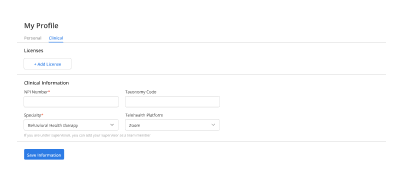
Billing software EHR integration keeps charges, payments, and claim data aligned across connected financial systems.

Practice Management Tools

EHR practice management integration synchronizes scheduling, demographics, and operational data without manual reconciliation.

Vendor Connections

EHR vendor integration supports trusted healthcare tools without creating fragmented systems or duplicate records.
Data Synchronization

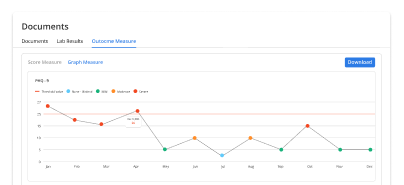
EHR system integration keeps patient and operational data consistent across platforms in real time.
Secure API Access

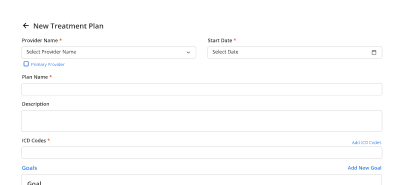
API enabled EHR software allows controlled data exchange with approved third-party applications.
Workflow Continuity

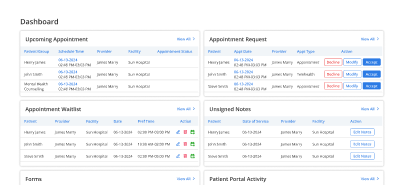
Healthcare workflow integration prevents breakdowns between systems that slow teams and increase rework.

How Third-Party Integration Fits Into Your Day

Less manual entry

Cleaner handoffs

Consistent data

Reduced rework

Fewer system switches

Smoother billing flow

Predictable operations
Operational Impact You Can Measure

Connected systems reduce duplication, prevent errors, and keep daily workflows running smoothly.

Less Re-Entry
0 %
Faster Workflows
0 %
Data Consistency
0 %
Fewer Errors
0 %

Additional Related Features

Billing & Financial

Data consistency ➜

Scheduling

System alignment ➜

Dedicated Dashboard

Unified visibility ➜

Analytics & Reports

Cross-system insights ➜

Testimonials

Success Stories From Our Users

What Practices Say

“Vozo helped us connect our EHR with the tools our practice already depended on. Billing systems, patient communication, labs, and reporting workflows became easier to manage without duplicate data entry.”

— Dr. Adrian Wells, Clinical Technology Director

“Our team needed third-party integrations that worked reliably across daily operations. Vozo made it easier to connect external platforms while keeping patient data and workflow visibility more organized.”

— Livia Hartwell, Health IT Operations Manager

Blogs & Resources

Resources to Help Your Practice Grow

Patient Portal Integration

Patient portals unify EHRs with third-party systems like telehealth, billing, and wearables for seamless data access.

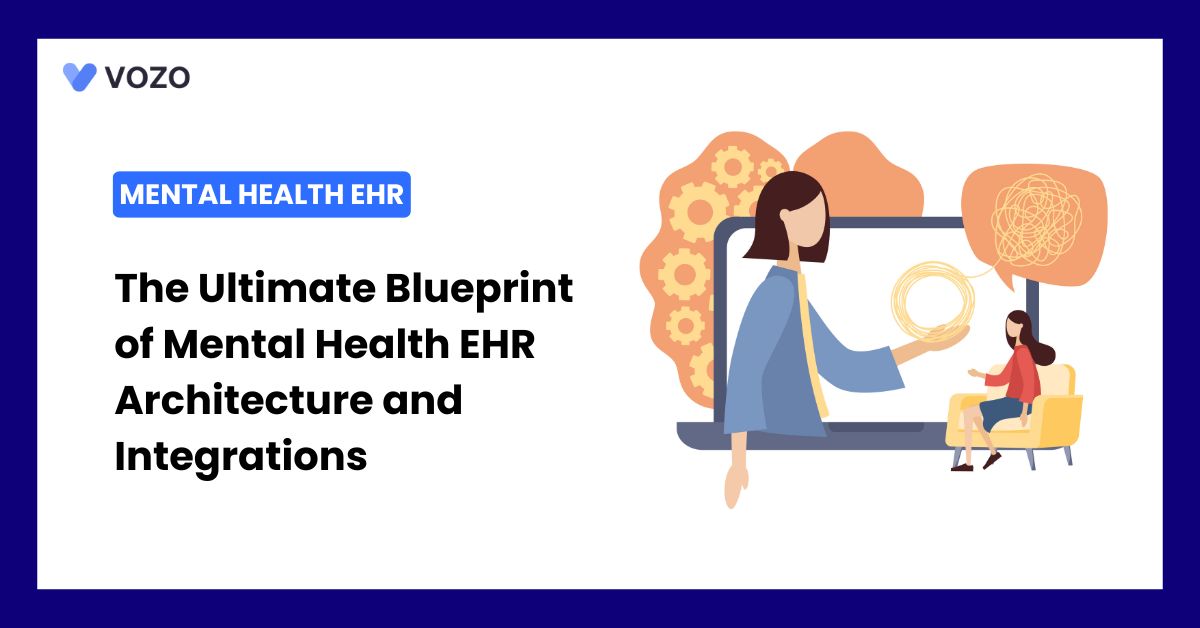
Mental Health EHR Blueprint

Comprehensive architecture covers core components, specialty features, and integrations for behavioral health practices.

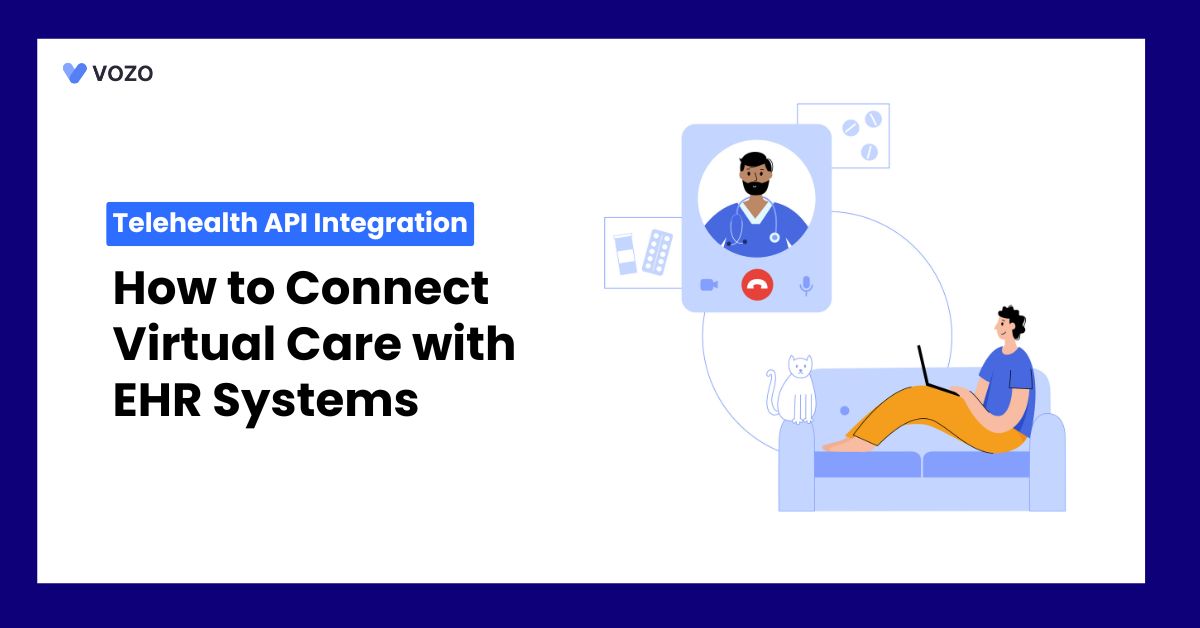
Telehealth API Integration

Guides seamless EHR-virtual care connectivity using modern APIs and standards for unified workflows.

FAQ

What Care Teams Ask About Third-Party Integration

Why do healthcare practices struggle with disconnected software systems?

Many practices use separate platforms for billing, scheduling, labs, telehealth, and patient communication that do not exchange data properly. This creates duplicate entry, workflow delays, and inconsistent patient records. EHR Third-Party Integration helps practices connect critical systems so information moves automatically instead of relying on manual updates between departments.

What problems happen when EHR systems cannot share data properly?

When systems operate independently, providers may work with outdated patient information, billing teams may miss documentation updates, and staff often repeat the same administrative tasks multiple times. Strong EHR System Integration reduces these communication gaps by keeping operational and clinical workflows synchronized across connected healthcare platforms.

Which healthcare tools are commonly connected through EHR integrations?

Practices often connect billing software, telehealth platforms, pharmacies, labs, imaging systems, payment gateways, and patient communication tools through Healthcare Workflow Integration. These integrations help clinical and administrative teams manage patient care more efficiently without switching constantly between disconnected systems throughout the workday.

Why does billing integration matter in healthcare operations?

Disconnected billing systems usually require staff to manually transfer diagnoses, CPT codes, insurance details, and patient information between workflows. Billing Software EHR Integration reduces repetitive entry by allowing encounter data and clinical documentation to flow directly into claims processing, improving billing accuracy and reimbursement turnaround time.

What should practices evaluate before choosing an integration-ready EHR?

Practices should review API flexibility, interoperability support, security controls, vendor compatibility, workflow scalability, and implementation complexity before selecting a platform. API Enabled EHR Software helps organizations connect future systems more easily while avoiding operational limitations caused by closed or inflexible healthcare software environments.

Is Vozo affordable for practices that need multiple integrations?

Yes. Vozo is designed for practices that need connected workflows without high software costs. Pricing starts at $25 per provider per month, giving teams access to EHR, billing, scheduling, and integration-ready workflows. This makes Vozo an affordable option for clinics replacing multiple disconnected systems with one coordinated platform.

How does practice management integration improve daily workflow coordination?

EHR Practice Management Integration connects scheduling, documentation, patient communication, billing, and reporting within one operational workflow. Staff spend less time updating separate systems manually, while providers and administrators gain better visibility into appointments, claims, follow-ups, and operational tasks from one connected environment.

Why do healthcare organizations prefer API-enabled integrations over manual workflows?

Manual workflows slow operations because teams repeatedly move information through spreadsheets, emails, paper records, or duplicate entry. API Enabled EHR Software automates these exchanges securely in real time, helping practices improve operational continuity, reduce administrative workload, and maintain more consistent patient and financial data.

How does Vozo support third-party healthcare integrations?

Vozo supports EHR Vendor Integration through API connectivity and interoperability workflows for billing systems, telehealth platforms, pharmacies, labs, imaging, and patient communication tools. Practices can connect operational systems directly with the EHR to reduce workflow fragmentation and improve data consistency across departments.

What makes Vozo useful for practices replacing disconnected tools?

Vozo helps practices bring scheduling, billing, patient records, reporting, telehealth, and external system connections into one coordinated workflow. Instead of managing separate tools for each operational need, teams can reduce duplicate entry, improve data movement, and keep clinical, administrative, and billing activity easier to track across the practice.

Bring Stability To Connected Workflows

Reduce re-entry and keep systems working together throughout the day.

✓ No Credit Card Required


  • 24/7 Support
  • Free data migration from your old EHR


  • Built-in telehealth
  • Automated appointment reminders


  • Increase revenue by 30%
  • Complete patient notes
Launch login modal Launch register modal