
Stay Hospital‑Ready Every Day.
An EHR That Holds Hospital Operations Together
Hospitals face chart delays and handoff gaps. VOZO centralizes work so care, documentation, and billing stay connected.


Trusted by Hospitals and Health Systems across the USA.
Why Hospitals Choose VOZO
Hospitals need systems that support real hospital work, not tools designed for small clinics.
Features
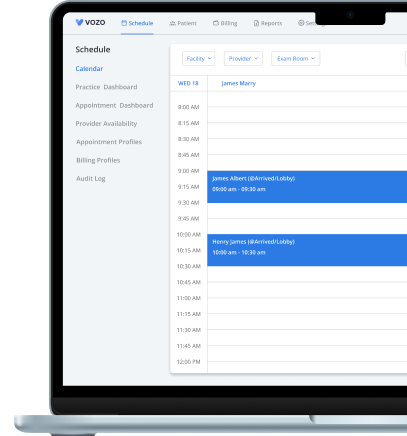
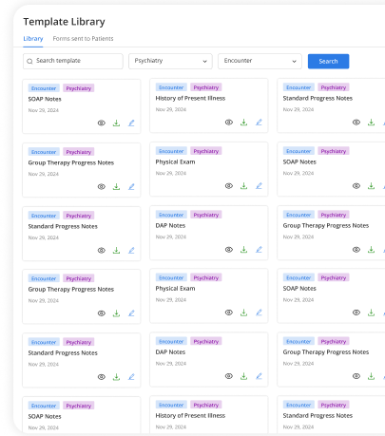
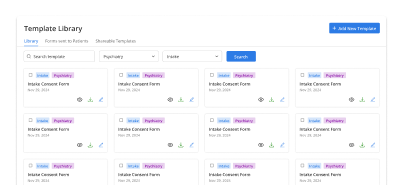
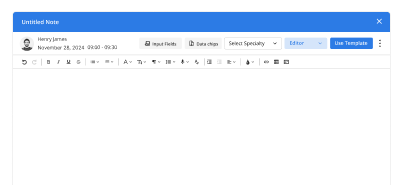
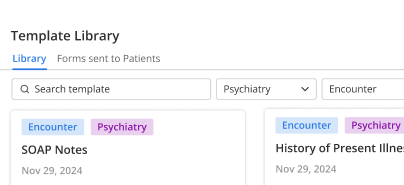
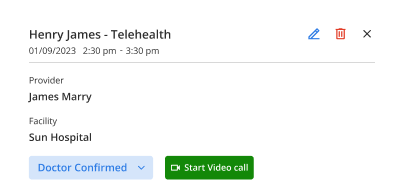
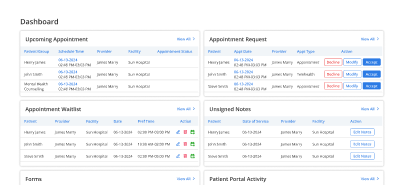
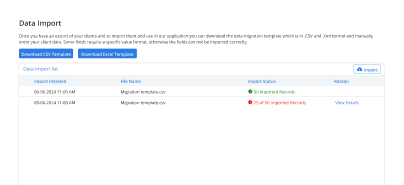
Everything Hospitals Need in One Place
Clinical care, operations, and billing work together so nothing falls between teams.
Operational Signals Hospitals Rely On
Clear improvements that reduce daily strain and keep hospital operations steady.
Admission Throughput
22% faster bed assignment.
Clear intake visibility reduces waiting time between arrival, triage, and unit placement.
Discharge Coordination
24% fewer delayed discharges.
Teams complete documentation and orders earlier, freeing beds and reducing congestion.
Shift Handoffs
36% fewer missed handoff tasks.
Structured task ownership keeps responsibilities clear across shifts and departments.
Charge Capture
31% fewer billing gaps.
Clinical documentation aligns with services delivered, reducing downstream corrections.
Results Hospitals Rely On
Real gains that help hospitals stay in control.
How it works
Step Setup for Hospitals
Switching systems shouldn’t interrupt patient care.
1
Start Your Account
Begin with a free trial or guided demo.
2
Set Up Your Hospital
We migrate data and align workflows across departments.
3
Keep Caring for Patients
Teams work confidently from day one.
Testimonials
Success Stories From Our Users
What Hospital Leaders Say
“Vozo gave our hospital teams better visibility across departments. Admissions, patient movement, documentation, and billing now feel more connected, which helps us reduce delays during busy shifts.”
— Dr. Michael Reynolds, Chief Medical Officer
“Our biggest challenge was keeping handoffs clear between nursing, providers, and operations. Vozo helped us create a more organized workflow where pending tasks and patient updates are easier to track.”
— Sarah Mitchell, Chief Nursing Officer
Blogs & Resources
Resources to Help Your Practice Grow
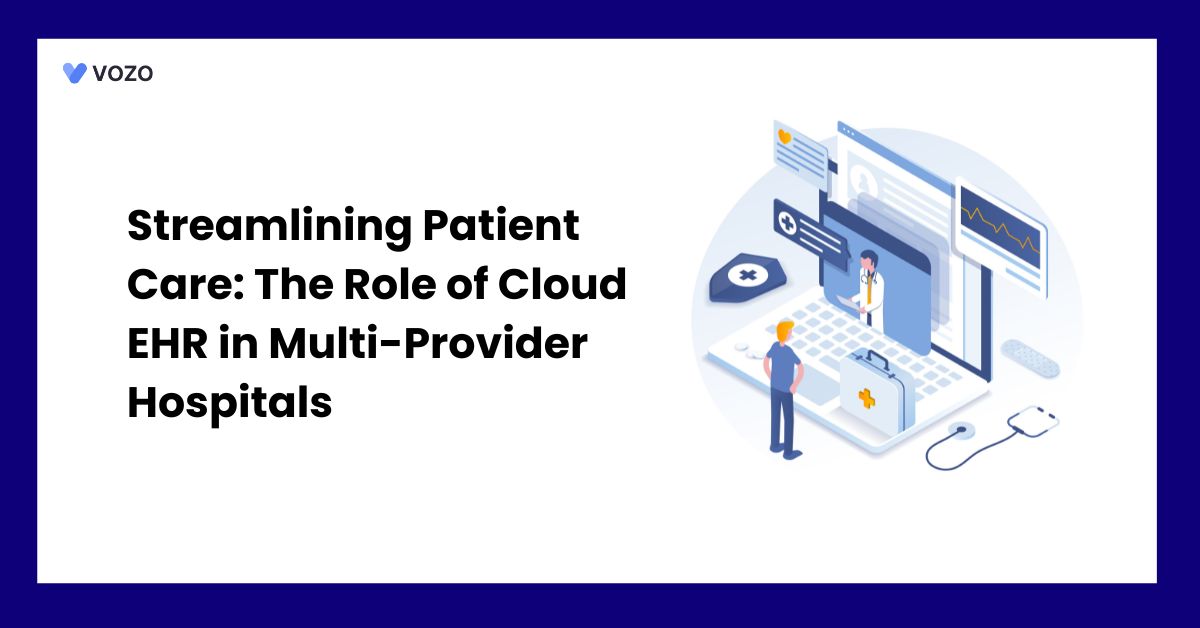
Cloud EHR Hospitals
Enables real-time data sharing across departments with anytime access and automatic security updates.
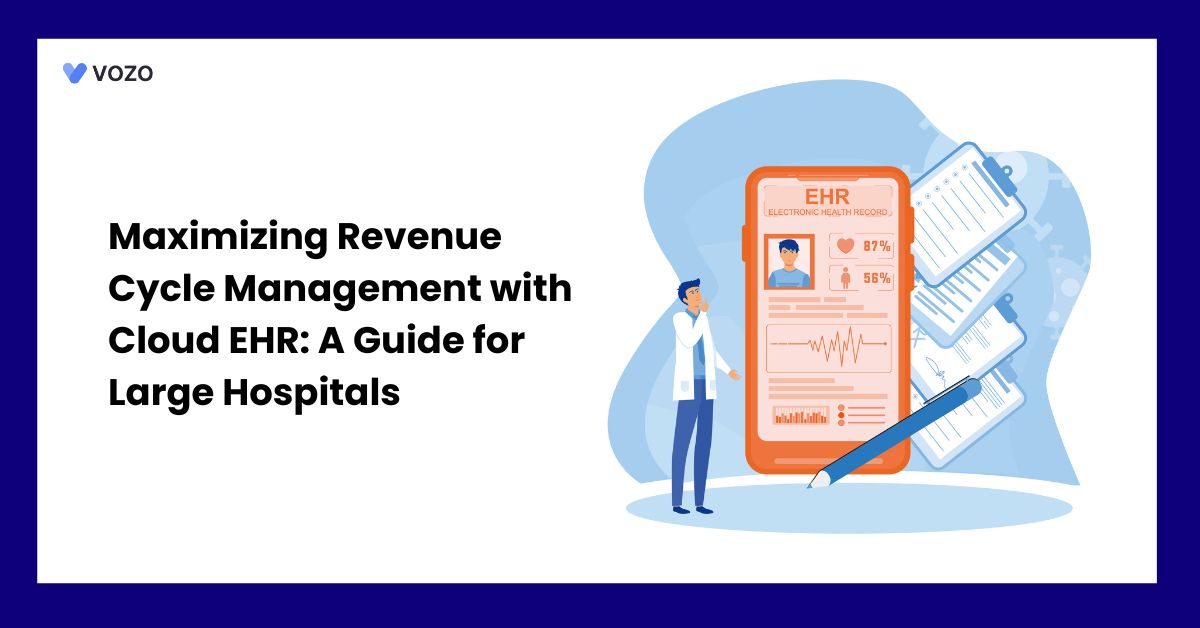
Revenue Cycle Optimization
Automates claims processing and denial management to accelerate hospital reimbursements.
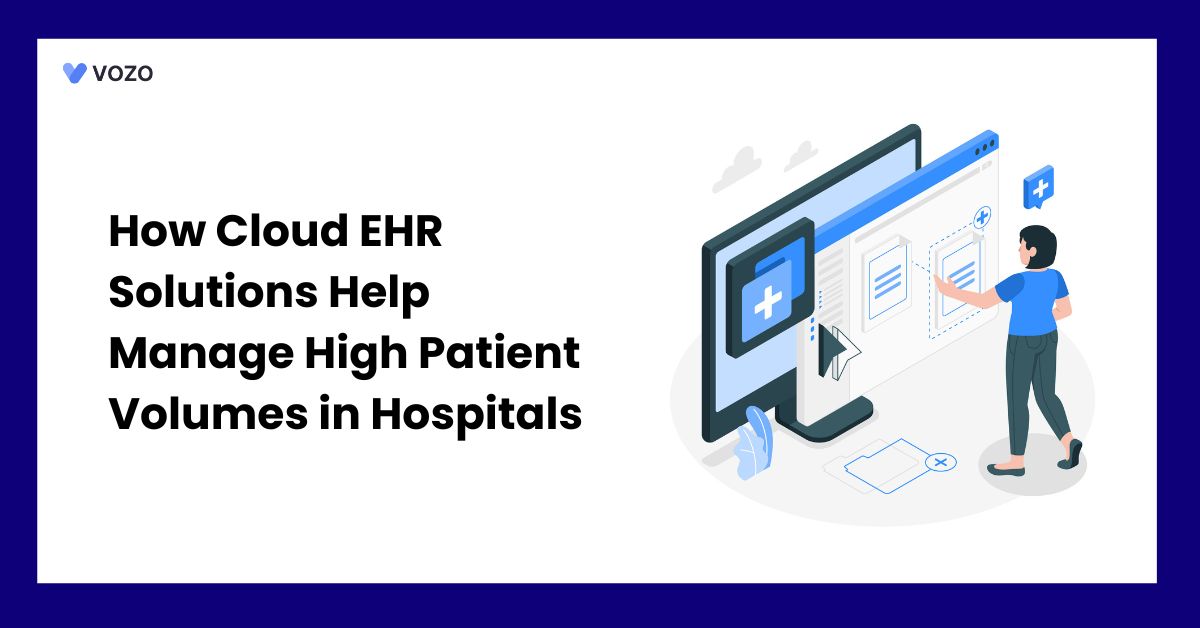
High-Volume Patient Management
Scales workflows for peak loads with instant chart access and coordinated care teams.
FAQ
What Hospital Teams Ask Us Most
An EHR for hospitals is built to manage complex, multi-department operations including inpatient, outpatient, emergency, and surgical workflows. Unlike clinic systems, a hospital EHR system supports higher patient volumes, multiple care teams, and continuous care tracking.
It centralizes data across departments, enabling coordinated care delivery while maintaining accurate documentation in a large-scale healthcare environment.
Hospitals require a centralized EHR for hospitals to manage patient data across departments such as ER, ICU, labs, and billing. Without a unified system, data fragmentation can delay care and increase errors.
A hospital EHR system ensures that all teams access the same real-time information, improving coordination, reducing duplication, and supporting efficient decision-making in high-pressure environments.
Without an EHR for hospitals, facilities face risks like incomplete patient data, delayed clinical decisions, billing errors, and poor inter-department communication. Manual processes increase the likelihood of mistakes and slow down workflows.
A hospital EHR system helps mitigate these risks by centralizing information, improving visibility, and enabling better coordination across all levels of hospital operations.
An EHR for hospitals improves patient flow by aligning admissions, treatment, and discharge processes within a unified system. It enables real-time tracking of patient status and resource availability.
A hospital EHR system reduces bottlenecks, improves scheduling accuracy, and ensures smoother transitions between departments, helping hospitals manage patient volume more efficiently.
An EHR for hospitals connects departments like emergency, surgery, pharmacy, and billing within one system. Patient data flows in real time, allowing care teams to access updated information instantly.
A hospital EHR system reduces communication gaps, improves collaboration, and ensures continuity of care, especially in complex cases involving multiple providers.
An EHR for hospitals must scale with increasing patient volumes, additional departments, and expanding services. A hospital EHR system supports scalability through configurable workflows, flexible data management, and integration capabilities.
This ensures hospitals can grow without needing system replacements, maintaining consistent performance even as operational complexity increases.
Vozo EHR is designed to function as a scalable EHR for hospitals, supporting multi-department workflows, real-time data access, and integrated billing. It helps hospitals manage complex operations without fragmentation.
As a hospital EHR system, it improves coordination, reduces administrative overhead, and supports consistent performance across clinical and operational teams.
Using Vozo EHR as an EHR for hospitals can improve patient flow, reduce documentation errors, and enhance coordination across departments. Automated workflows help streamline operations and minimize delays.
Hospital EHR systems support better patient outcomes, improved staff productivity, and more predictable hospital performance.
Implementing Vozo EHR as an EHR for hospitals involves workflow assessment, system configuration, and phased onboarding across departments. The platform supports data migration, integration, and customization.
A hospital EHR system can be deployed with minimal disruption, helping hospitals transition smoothly to a unified system that supports both clinical and administrative operations
Yes, EHR software can integrate with existing hospital systems to ensure clinical and operational workflows stay connected. This includes integration with laboratory systems, pharmacy systems, billing platforms, and other hospital applications.
Interoperability reduces duplicate data entry, improves information flow across departments, and helps hospitals maintain coordinated care delivery without relying on disconnected systems.
No loose ends between care teams and documentation.
✓ No Credit Card Required