
Vozohealth

Clarity Drives Action.

Healthcare Analytics Software that Turns Data into Clear Action

Without real-time visibility, issues hide in reports, escalate quietly, and drain time; see clinical and operational metrics clearly to act faster.

Why Choose Vozo for Analytics & Reporting

Built for care teams who need usable insights, not complex reports that slow adoption.

Action first analytics

Healthcare analytics software highlights what needs attention, not just historical performance.

EHR connected Data

EHR analytics and reporting pull directly from live workflows without manual exports or reconciliation.

Low effort Reporting

Automated medical practice reports reduce time spent building, updating, and distributing reports.
Features

What Analytics & Reporting Handles for You

Keeps performance, trends, and risks visible across care delivery.

Performance Tracking

Clinical analytics platform monitors key operational and clinical indicators without requiring manual data compilation.
Automated Reports

Automated medical practice reports deliver consistent insights on schedules, follow-ups, and outcomes.

Clinical Insights

Healthcare reporting tools surface trends that help teams spot issues early and adjust workflows.

Operational Visibility

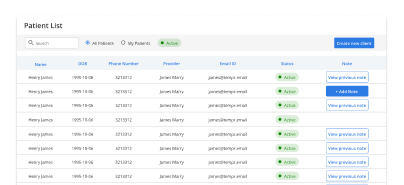
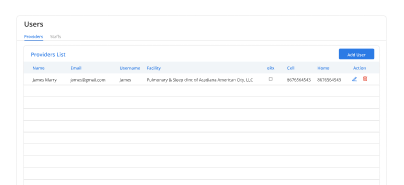
The medical practice reporting system shows volume, efficiency, and bottlenecks in one centralized view.
EHR Integration

EHR analytics and reporting ensure insights reflect real-time activity inside the patient record.

Custom Views

Healthcare analytics software allows role-based reporting for clinical, operational, and leadership needs.

How Analytics & Reporting Fit Into Your Day

Report automation

Trend identification

Performance visibility

Month-end stability

Operational prioritization

Decision confidence

Workflow predictability
Operational Impact You Can Measure

Clear gains in speed, clarity, and coordination.

Faster Insights
0 %
Less Manual Work
0 %
Better Decisions
0 %
Stale Reports
0

Additional Related Features

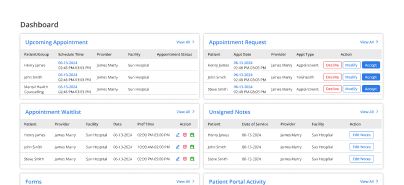
Dedicated Dashboard

Real time visibility ➜

Clinical Documentation

Data accuracy ➜

Billing & Financial

Revenue insights ➜

Referral Management

Follow Through Tracking ➜

Testimonials

Success Stories From Our Users

What Practices Say

“Vozo helped our leadership team see practice performance with much better clarity. Patient volume, billing activity, provider workload, and follow-up trends are easier to review from one reporting view.”

— Dr. Elara Vey, Medical Director

“Our managers needed analytics that could support daily decisions, not just month-end reports. Vozo gave us cleaner visibility into appointments, revenue activity, and operational bottlenecks.”

— Silas Norwood, Practice Operations Manager

Blogs & Resources

Resources to Help Your Practice Grow

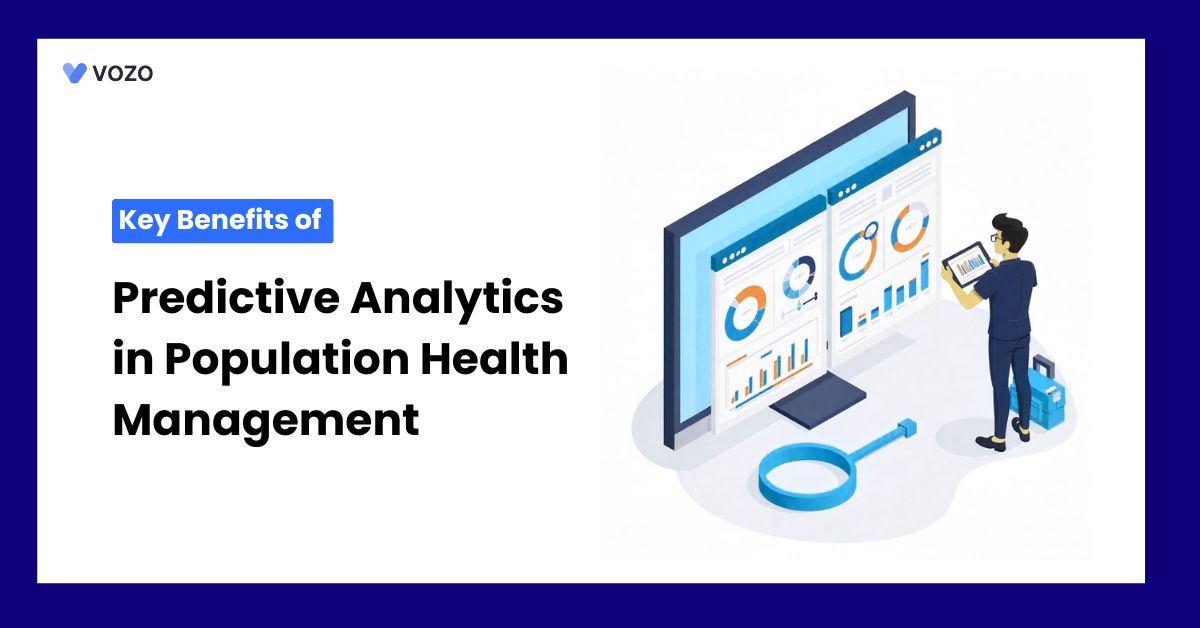
HEDIS/STAR Improvement

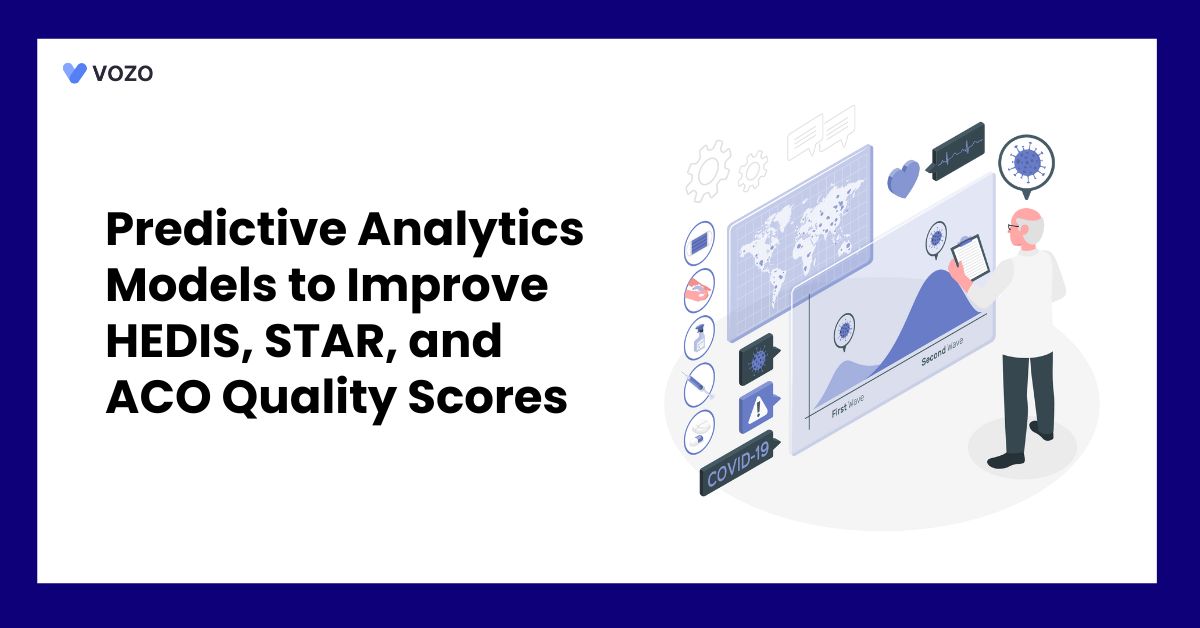
Predictive models boost HEDIS, Medicare Star, and ACO scores through risk stratification and preventive outreach.

Population Health Benefits

Key advantages include early intervention, resource optimization, and care gap closure using AI-driven insights.

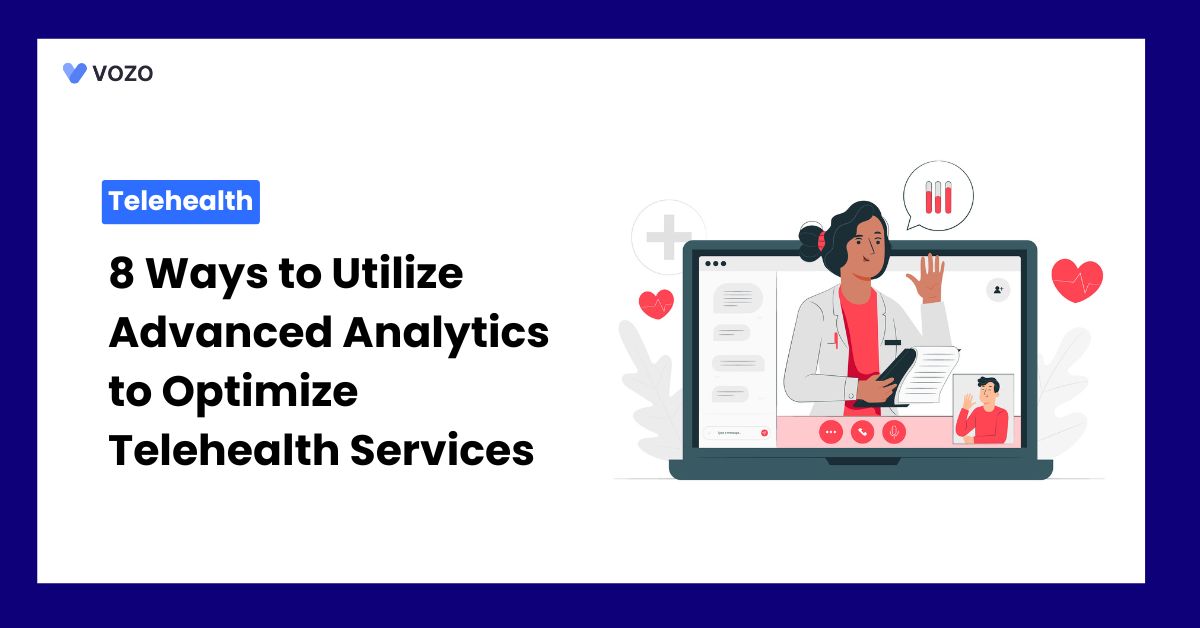
Telehealth Optimization

Eight analytics strategies enhance telehealth utilization, patient engagement, and service delivery efficiency.

FAQ

What Care Teams Ask About Analytics & Reporting

Why do healthcare practices struggle to get useful insights from their data?

Many practices store scheduling, billing, and clinical data in separate systems, making reporting inconsistent and time-consuming. Healthcare Analytics Software centralizes operational and clinical information into one reporting environment, helping practices identify revenue trends, care gaps, provider performance, and workflow inefficiencies without manually combining spreadsheets or disconnected reports.

What should clinics track regularly in a medical reporting system?

A Medical Practice Reporting System should track appointments, claim status, collections, denials, provider productivity, patient volume, documentation completion, and follow-up activity. Reviewing these metrics consistently helps practices identify operational bottlenecks earlier instead of waiting until revenue delays, scheduling issues, or workflow gaps begin affecting daily performance.

Why do manual healthcare reports create operational delays?

Manual reporting often depends on exported spreadsheets, repetitive data entry, and delayed updates from multiple systems. This slows decision-making and increases reporting inconsistencies. Automated Medical Practice Reports reduce this administrative burden by generating real-time operational and financial insights directly from connected EHR workflows instead of relying on static reporting processes.

How does clinical analytics help providers identify patient care gaps?

A Clinical Analytics Platform helps providers monitor overdue follow-ups, chronic care trends, missed screenings, treatment progress, and patient engagement patterns across populations. Instead of reviewing records individually, practices can identify broader care issues faster and prioritize outreach for patients needing additional attention or ongoing monitoring.

What reporting features matter most for growing healthcare practices?

Growing practices typically need customizable dashboards, real-time financial visibility, provider performance tracking, denial analysis, patient trend reporting, and scheduling analytics. Strong EHR Analytics and Reporting tools should help leadership understand both clinical and operational performance without requiring complex manual report building from multiple disconnected systems.

Why do billing teams rely on analytics for revenue cycle management?

Billing teams use Healthcare Reporting Tools to monitor claim rejections, payment delays, denial trends, aging balances, and reimbursement patterns. Reporting visibility helps practices identify where revenue leakage happens, which payers create delays, and what operational changes may improve reimbursement consistency across the revenue cycle.

How should healthcare analytics connect with daily EHR workflows?

Healthcare analytics should pull data directly from scheduling, billing, clinical documentation, and patient communication workflows in real time. This keeps reports accurate and actionable while reducing duplicate reporting work. Connected analytics also help practices make faster operational decisions using current data instead of outdated monthly summaries.

How does Vozo organize analytics and reporting for healthcare teams?

Vozo connects scheduling, billing, clinical documentation, patient activity, and operational reporting inside one centralized analytics workflow. Teams can review dashboards, provider performance, claim trends, financial activity, and patient metrics without switching between multiple disconnected reporting systems or exporting manual spreadsheets.

Can Vozo analytics support both clinical and operational reporting?

Yes. Vozo supports clinical, operational, and financial reporting workflows within the same Healthcare Analytics Software environment. Practices can monitor patient trends, documentation activity, scheduling performance, collections, billing outcomes, and workflow efficiency together, giving leadership broader visibility into overall practice performance and decision-making.

How can practices explore Vozo healthcare analytics tools?

Practices can explore Vozo healthcare analytics and reporting tools through pricing plans starting at $25 per provider per month for EHR access. Teams can also request a guided demo to review dashboards, operational reporting, billing analytics, provider performance tracking, and specialty-specific reporting workflows before implementation.

Every Missed Slot Costs More

Stabilize your schedule now before small gaps turn into daily disruptions.

✓ No Credit Card Required


  • 24/7 Support
  • Free data migration from your old EHR


  • Built-in telehealth
  • Automated appointment reminders


  • Increase revenue by 30%
  • Complete patient notes
Launch login modal Launch register modal