
Trends Need Continuity.
Flowsheets That Support Everyday Clinical Work
Manual tracking slows teams down. Vozo keeps patient observations structured and easy to review.
Why Flowsheets Work Best Inside the EHR
Designed for teams tracking patient status across visits, shifts, and care settings.

Built for Daily Monitoring
Supports routine nursing and clinical tracking without disrupting visit flow.

Structured Data Capture
The electronic flowsheet EHR maintains consistent and comparable entries over time.

Care Team Visibility
Everyone works from the same up-to-date patient flowsheet.
Features
From Observations to Action
Keeps patient data organized, visible, and ready for clinical decisions.

Nursing Workflows
The nursing flowsheet system supports routine checks without manual note recreation.
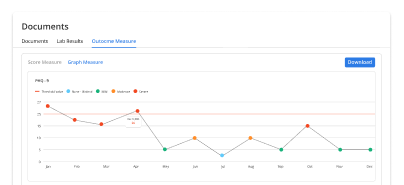
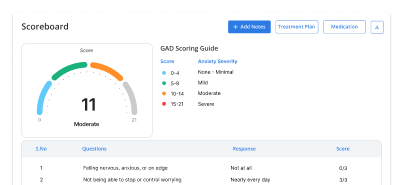
Trend Tracking
View changes over time to identify patterns that need attention.
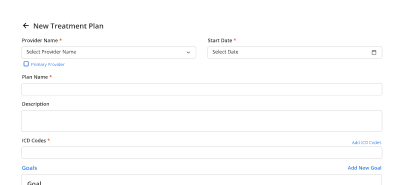
Clinical Alignment
Flowsheet data stays connected to notes, vitals, and treatment plans.
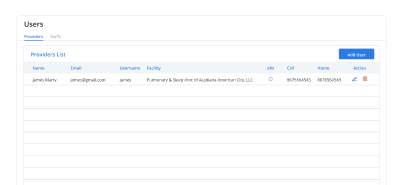
Team Clarity
All providers have access to the same longitudinal data, eliminating duplicate documentation.
What Gets Easier Each Day
Status review
Trend visibility
Change detection
Team continuity
Team continuity
Rework reduction
Care handoffs
The Difference Clear Flowsheets Make
Spend less time tracking data and more time responding to it.
Connected Clinical Tools
Testimonials
Success Stories From Our Users
From Practices Like Yours
“Vozo helped our team track patient data in a cleaner, more visual way. Flowsheets make it easier to review vitals, labs, trends, and care updates without digging through separate notes.”
— Dr. Maris Langley, Primary Care Physician
“Our providers needed faster access to ongoing patient trends during follow-ups. Vozo’s flowsheet view helped us compare changes over time and make clinical decisions with better context.”
— Kellan Frost, Clinical Operations Manager
Blogs & Resources
Resources to Help Your Practice Grow
EHR PM Checklist
Essential checklist for selecting cloud EHR+PM systems with security, integration, and scalability features.
Specialty EHR Customization
Guide to tailoring EHR workflows for specialty-specific documentation and practice management needs.
OB Workflow Integration
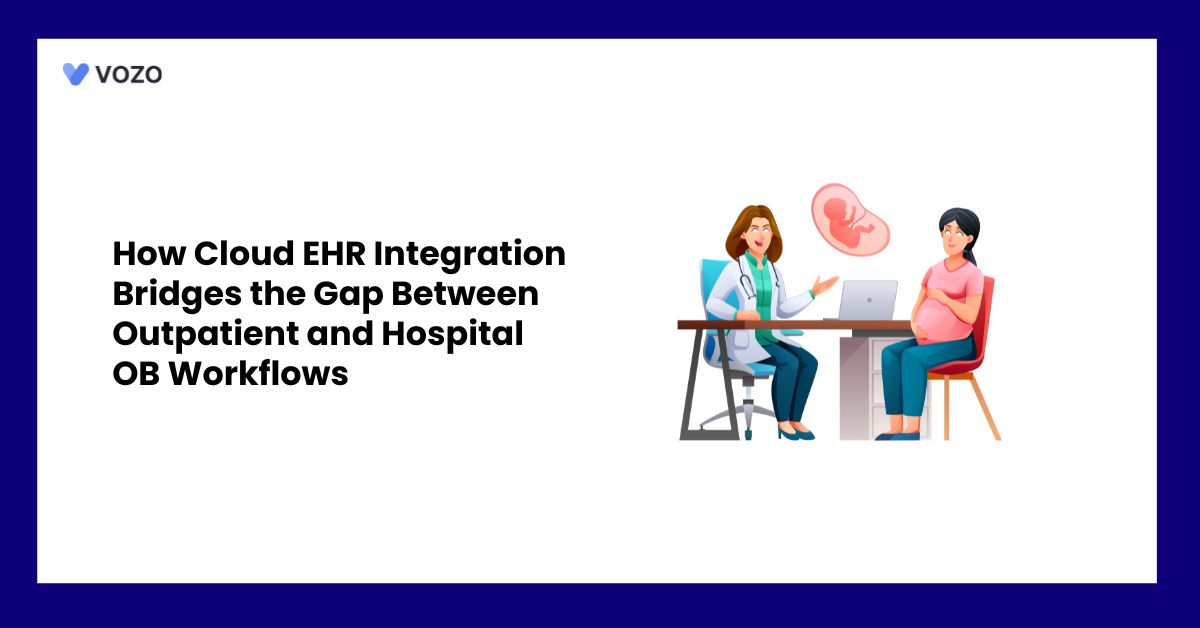
Cloud EHR bridges outpatient and hospital OB workflows for seamless care coordination.
FAQ
What care teams ask us most about flowsheets
Clinical flowsheets organize patient assessments, vitals, observations, pain scores, and intake-output details in one structured view. Instead of moving between separate notes or screens, clinicians can document repeated clinical data in a clear time-based format. This helps care teams understand patient status faster and reduces scattered documentation.
Clinical flowsheets commonly record vital signs, fluid intake and output, pain levels, medication-related observations, neurological checks, nursing assessments, and ongoing care notes. The goal is to keep repeated clinical information in one chronological view so providers can quickly review patient changes without searching through multiple chart sections.
Nursing teams use flowsheets because they make shift documentation faster, clearer, and easier to update. Required assessment fields stay in one place, reducing repeated clicks and unnecessary screen changes. This helps nurses document patient status more efficiently while keeping the full care team aligned during active care.
Electronic charting removes common paper-based problems such as illegible handwriting, misplaced sheets, delayed updates, and manual transcription errors. Digital flowsheets can auto-populate recurring data, flag abnormal values, and update the patient record in real time, helping clinicians work from more accurate and current information.
Yes. Flowsheets can display vitals, assessment scores, symptoms, and other clinical values across different time points. This makes it easier for providers to identify worsening conditions, improvement patterns, or treatment response. Trend visibility is especially useful when teams need quick clinical context without reviewing every separate note.
Flowsheet data should connect with clinical notes, encounter records, and billing documentation without duplicate entry. When assessments and interventions are documented clearly, providers have better support for care decisions and coding accuracy. This helps reduce manual rework while keeping visit documentation more complete and consistent.
Custom flowsheet templates are useful when different specialties need different assessment fields, layouts, or documentation steps. Pediatrics, behavioral health, chronic care, and primary care may each track different data. Specialty-specific templates reduce unnecessary fields and help clinicians document only what matters for their workflow.
Vozo supports nursing flowsheet documentation inside the patient chart, allowing care teams to record vitals, assessments, observations, and updates in a structured grid. Entries are timestamped, role-specific, and visible to authorized users, helping nurses and clinicians stay aligned throughout the patient encounter.
Yes. Vozo EHR protects electronic flowsheet records with HIPAA-aligned security controls, including encryption, role-based access, and two-factor authentication. Only authorized care team members can view or update patient flowsheet data, helping practices protect sensitive clinical information during every stage of documentation.
Practices can start using Vozo flowsheet tools through a 14-day free trial with no credit card required. The trial includes access to clinical documentation, automated flowsheet charting, scheduling, and billing workflows. Teams can also book a guided demo to review how Vozo fits their care setting.
Stabilize your schedule now before small gaps turn into daily disruptions.
✓ No Credit Card Required
- 24/7 Support
- Free data migration from your old EHR
- Built-in telehealth
- Automated appointment reminders
- Increase revenue by 30%
- Complete patient notes