Support Every Step of Recovery
Eating Disorder EHR Software Built for Multidisciplinary Care
Connect therapy notes, nutrition plans, medical monitoring, care-team communication, scheduling, and billing in one EHR built for eating disorder treatment teams.
What Eating Disorder Care Teams Need
Beyond a Standard Chart
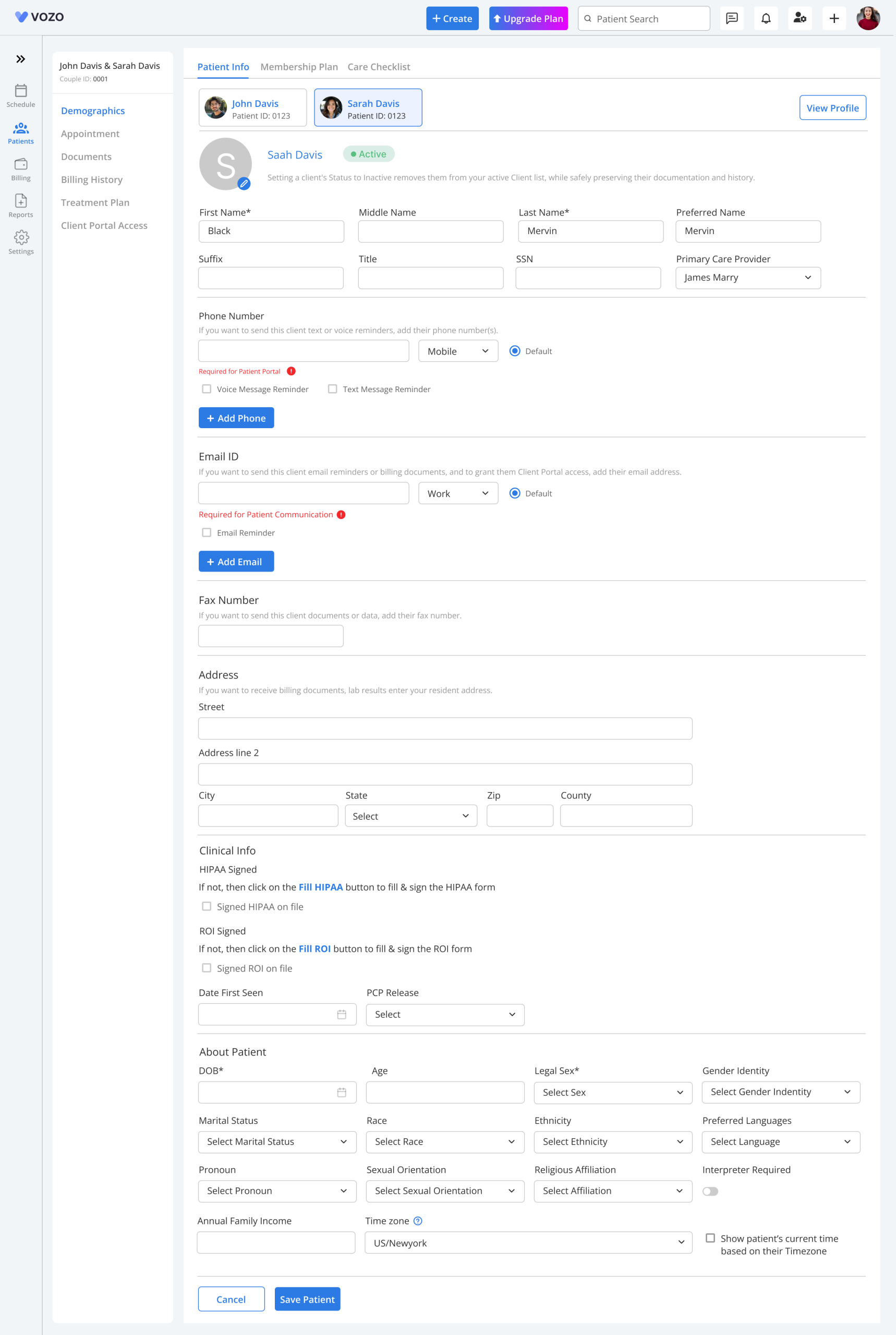
Shared Care Team Documentation
Use eating disorder EMR software to bring therapy, nutrition, medical updates, and treatment goals into one coordinated record.
- Role-based access for care-team members
- Shared treatment plans and goals
- Connected notes across disciplines
Medical Monitoring and Progress Tracking
Keep relevant health information connected to behavioral, nutritional, and functional progress.
- Document weight and vital-sign trends when clinically appropriate
- Track relevant assessment results
- Review changes across appointments
Level-of-Care Coordination
Maintain continuity as clients transition between inpatient, residential, partial hospitalization, intensive outpatient, and outpatient services.
- Care level tracking
- Transition summaries
- Referral coordination workflows
Family and Caregiver Collaboration
Document family involvement while maintaining appropriate consent, confidentiality, and access controls.
- Family-session documentation
- Caregiver communication workflows
- Consent-based information sharing
One Connected Workflow for Eating Disorder Care
- Scheduling
- Telehealth
- Client Engagement
- Billing and Payments
- Documentation
Coordinate Every Type of Appointment
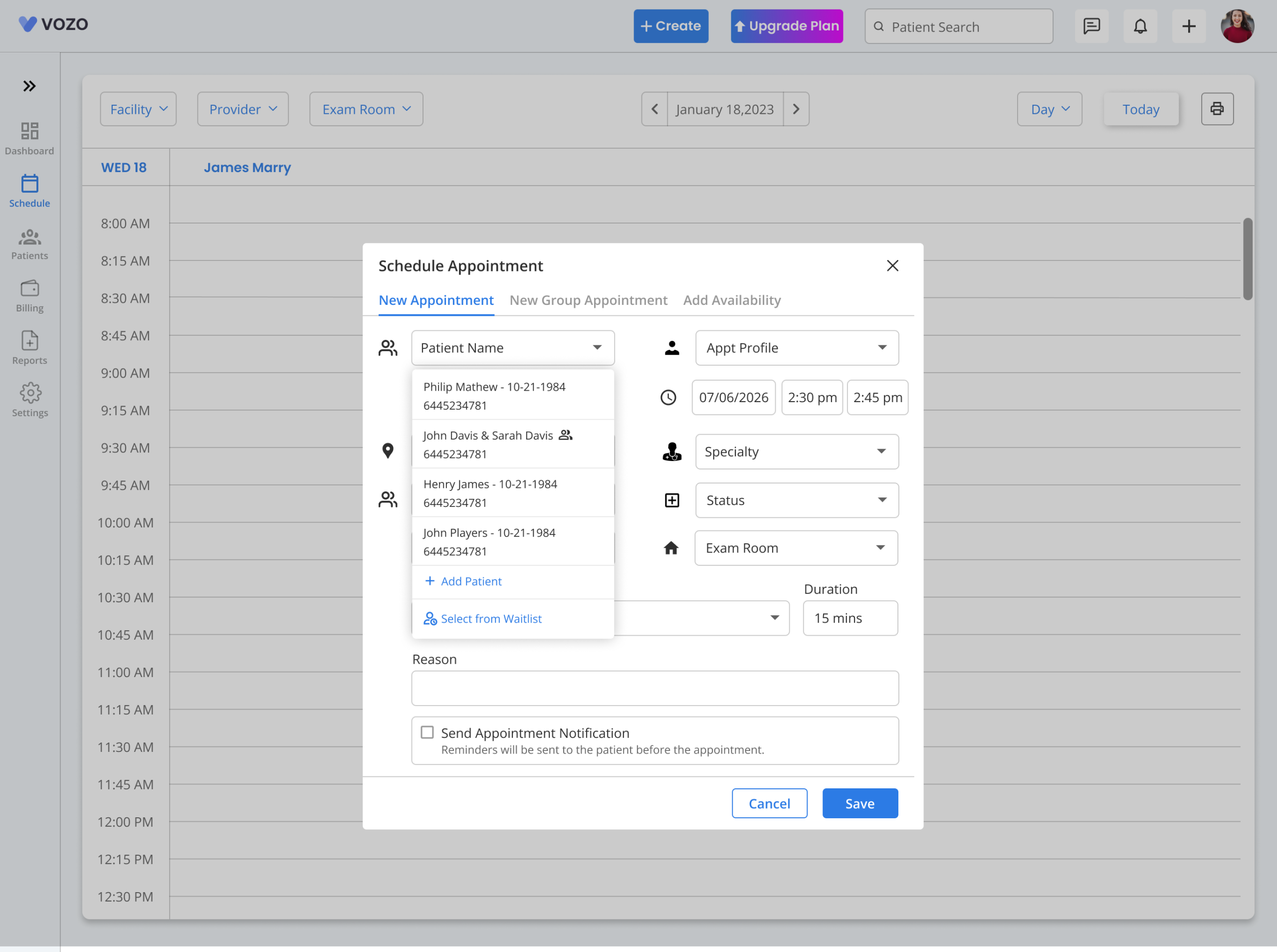
Use scheduling software for eating disorder practices to manage therapy, nutrition, medical, family, group, and follow-up appointments from one calendar.
- Multi-provider appointment scheduling
- Recurring treatment schedules
- Family and caregiver session coordination
- Automated appointment reminders
Maintain Care Beyond the Office
Keep clients connected to their providers through secure virtual visits that remain part of the same care workflow.
- Secure video appointments
- Remote progress and follow-up visits
- Telehealth notes connected to the client record
- Secure sharing of appropriate resources
Keep Clients and Families Involved
Support communication, information collection, and appropriate resource sharing between appointments.
- Secure client messaging
- Caregiver communication tools
- Digital intake forms
- Progress updates sharing
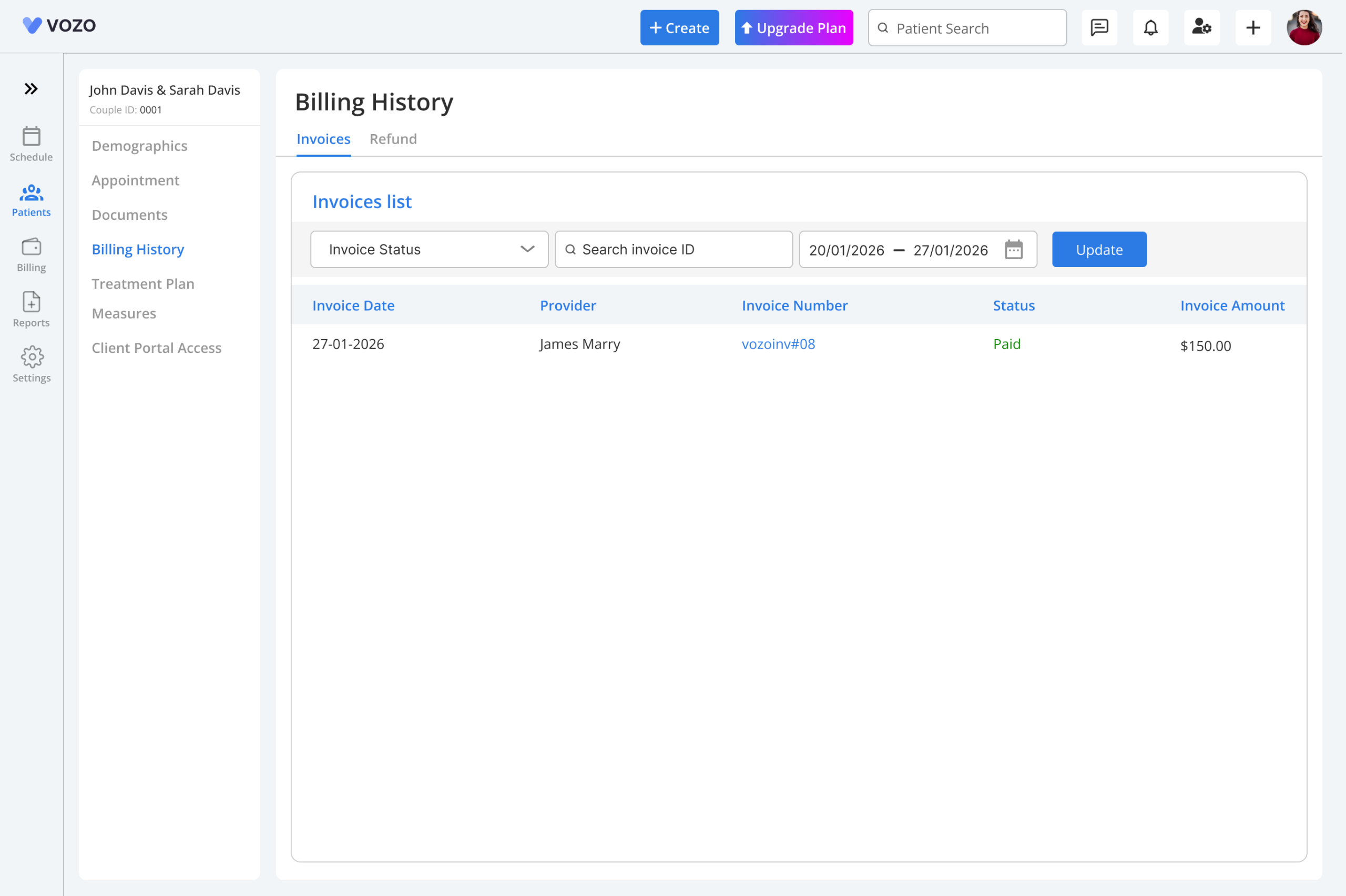
Connect Multidisciplinary Services With Billing
Manage claims across therapy, nutrition, and medical services in one place.
- Verify insurance eligibility before appointments
- Prepare claims from documented services
- Monitor claim status and denials
- Track payments and outstanding balances
Notes Built for Multidisciplinary Treatment
Use clinical documentation software for eating disorder practices to connect therapy, nutrition, medical observations, assessments, and recovery goals throughout care.
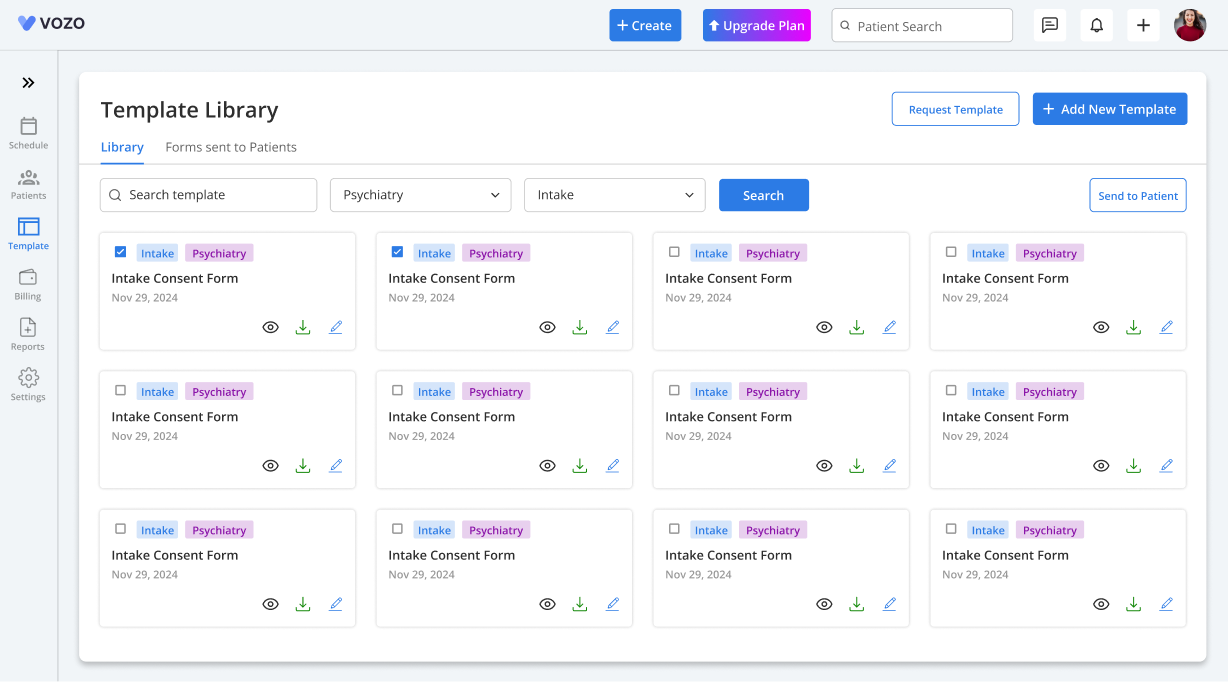
- Therapy and nutrition templates
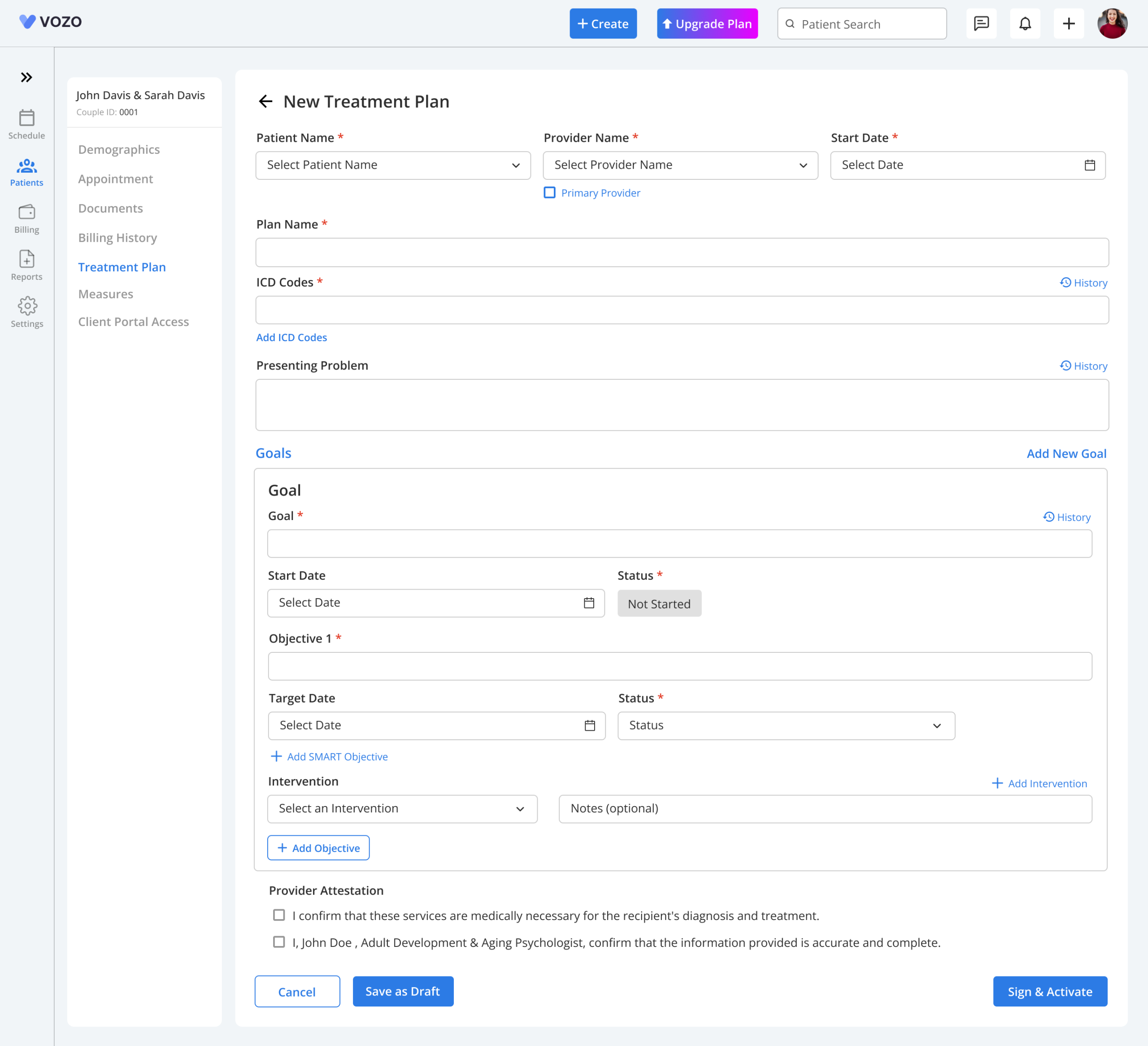
- Shared treatment plan tracking
- Medical monitoring fields
- Recovery goal documentation
Trusted by Practices Nationwide
Helping Behavioral Health Practices Deliver High-Quality Care
Behavioral health practices rely on VOZO’s EHR software to improve clinical quality, enhance documentation accuracy, and operate sustainably.
Who We Serve
Eating Disorder Therapists
Registered Dietitians
Multidisciplinary ED Treatment Teams
PHP & IOP Programs
How it works
3-Step Onboarding
From Sign-Up to Your First Care Team Session
Get your treatment workflows, provider access, documentation, and client records ready from day one.
1
Bring Your Records Over
Import client information, treatment plans, provider details, and existing care documentation into Vozo.
2
Set Up Your ED Workflow
Configure care-team roles, documentation templates, scheduling, and collaboration workflows.
3
Start Supporting Clients
Begin documenting care, coordinating providers, and managing recovery workflows from one EHR.
Testimonials
Success Stories From Our Users
What Eating Disorder Providers Say About Vozo
“Our biggest challenge was making sure everyone had the same client story before meetings. Now the therapist, dietitian, and medical team all see the same record.”
— Eating Disorder Program Director
“I used to send nutrition updates separately after every visit. Now the care team can see progress without waiting for another email.”
— Registered Dietitian
Blogs & Resources
Resources to Help Your Practice Grow
Multidisciplinary Behavioral Health Care
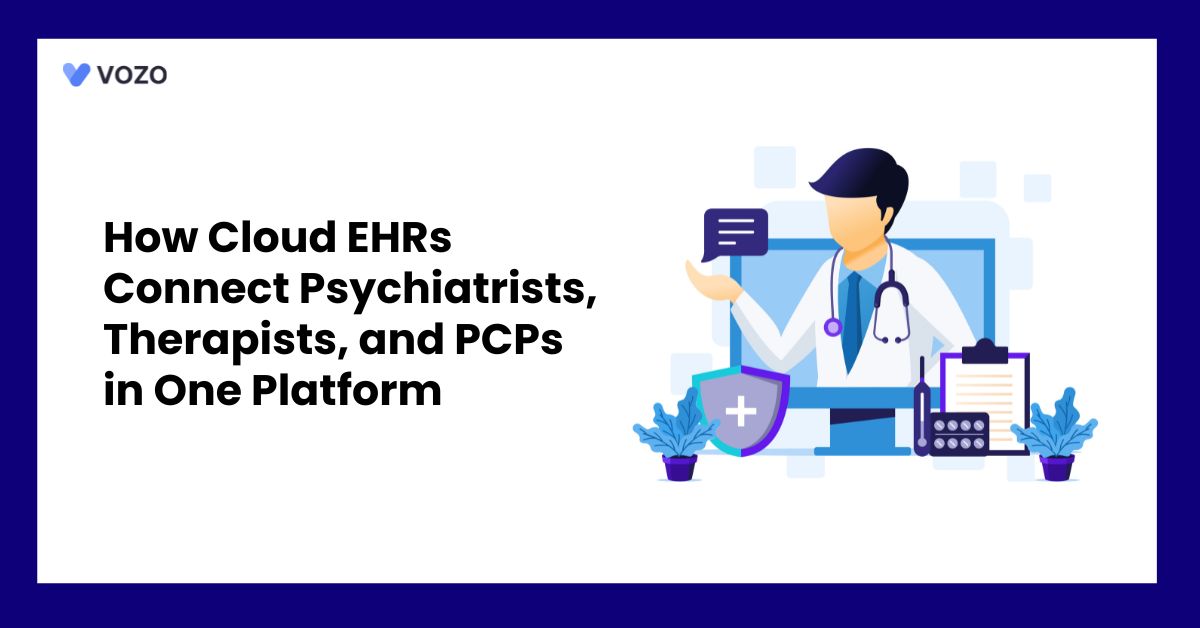
Learn how cloud EHRs help therapists, psychiatrists, and medical providers coordinate shared care plans, clinical updates, communication, and follow-up across one patient record.
Recovery Goal and Progress Tracking
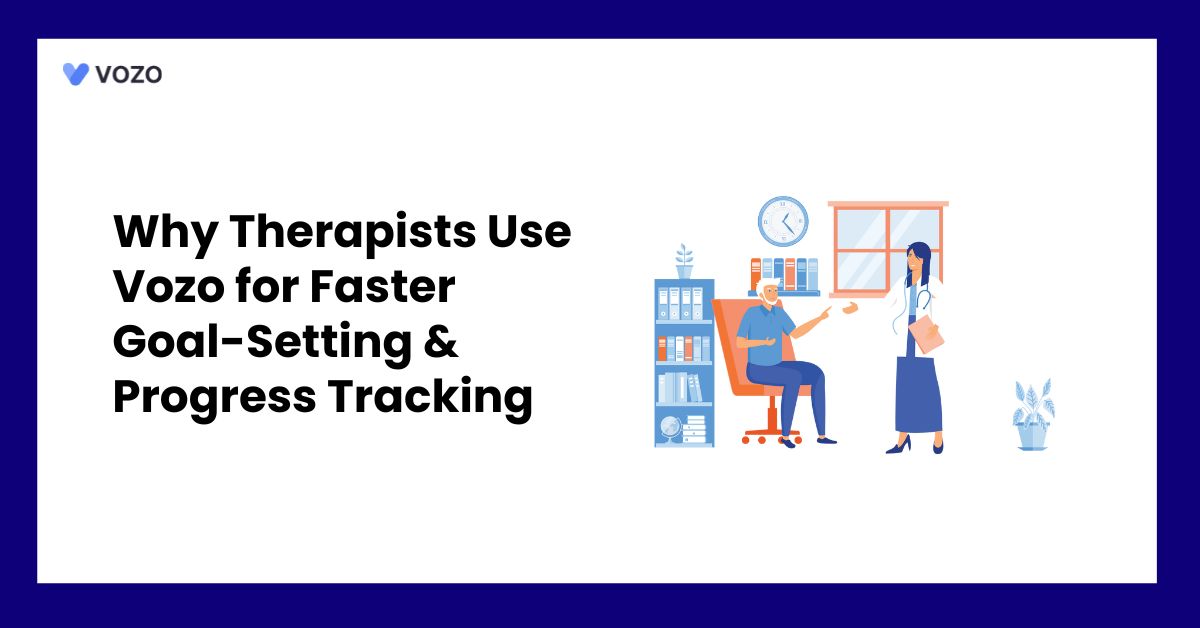
Explore how structured treatment goals, assessments, progress measures, and collaborative care plans help behavioral health teams monitor recovery over time.
FAQ
What Behavioral Health Providers Ask Us Most
Depending on the setting and clinician’s role, records may include weight trends, heart rate, blood pressure, orthostatic changes, eating-disorder behaviors, medications, and relevant laboratory findings. Clinical documentation software for eating disorder practices should keep medical information connected to treatment goals and follow-up decisions.
Treatment may involve therapists, dietitians, psychiatrists, medical providers, and other specialists. Eating disorder EHR software can connect each provider’s role, medical findings, nutrition goals, behavioral interventions, risks, and follow-up responsibilities so the team can coordinate care without relying on separate records.
The decision may consider medical instability, psychiatric risk, symptom severity, functional decline, available support, and response to the current treatment level. Because placement decisions require individualized clinical judgment, the record should clearly show changing risks, recommendations, consultations, and the reason for any transition.
Meal-support notes should capture the session’s purpose, clinically relevant observations, support provided, client response, and next steps. A behavioral health EHR with meal tracking should allow practices to record information relevant to treatment without requiring unnecessary calorie, weight, or food details in every note.
Documentation may include caregiver education, agreed responsibilities, meal-support activities, barriers, progress, and changes in the adolescent’s participation throughout treatment. Family involvement, consent, clinical decisions, and follow-up should remain clearly connected to the individualized care plan.
Yes. Practices seeking a binge eating disorder EHR, anorexia nervosa EMR, or bulimia nervosa EHR can use configurable templates for diagnosis-specific assessments, behaviors, goals, interventions, and progress measures while maintaining one consistent clinical and administrative system.
Yes. Vozo EHR provides treatment-plan and outcome-measure workflows that practices can adapt to individual needs. An EHR for eating disorder treatment can connect goals, clinical observations, assessment results, client progress, provider input, and follow-up activities within the same longitudinal record.
Vozo EHR combines documentation, scheduling, communication, telehealth, reporting, and billing capabilities in one platform. With affordable plans starting as low as $25 per month, its eating disorder practice management software features can support core workflows and expand as the team or service model grows.
Yes. Vozo EHR can support recurring group appointments, participant management, attendance, group documentation, virtual sessions, and related billing workflows. These capabilities can help practices organize skills groups and support programs while keeping each participant’s information connected to the appropriate individual record.
Give Every Provider the Same View of Recovery
Connect therapy, nutrition, medical monitoring, scheduling, client communication, and billing with all-in-one EHR and practice management software for eating disorder practices.