
Vozohealth

Disconnected Data Slows Care.

Interoperability hat Improves Care Coordination

Disconnected systems delay decisions, repeat work, and frustrate teams. Vozo connects health data directly into your EHR so information arrives when it’s needed, not after.

Why Choose Vozo for Interoperability

Built for care teams who need usable data exchange, not complex integrations that slow adoption.

Workflow-aligned Exchange

Data flows into clinical workflows instead of living in external portals or separate interfaces.

EHR-first Design

EHR interoperability solutions are built natively, keeping records accurate without manual reconciliation.

Standards-ready approach

FHIR integration software supports modern data exchange without custom builds or long implementation cycles.
Features

What Interoperability Handles for You

Keeps patient information accessible, timely, and usable across systems.

External Records

Inbound clinical records arrive structured and readable, reducing manual review and data re-entry during patient care.
FHIR Connections

FHIR integration software enables standardized exchange with connected systems while maintaining consistency inside the EHR.
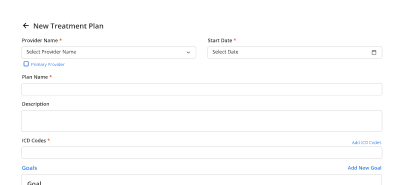
Care Coordination

Shared patient data supports smoother handoffs between providers without relying on faxed or scanned documents.

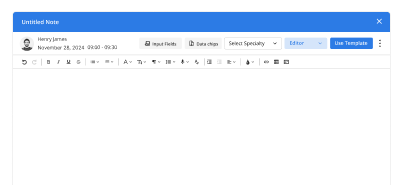
Chart Accuracy

Incoming data automatically aligns with existing records, reducing duplication, mismatches, and incomplete documentation.
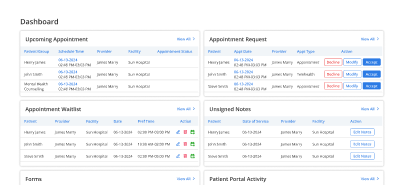
Faster Access

A health data exchange platform ensures patient information is available when clinical decisions are made.
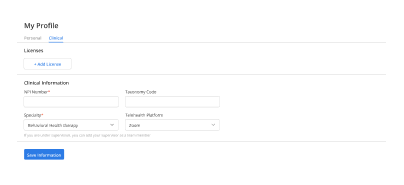
Reduced Rework

EHR interoperability solutions minimize staff time spent locating, requesting, and reconciling outside patient records.

How Interoperability Fits Into Your Day

Record access

Chart cleanliness

Decision context

Team coordination

Information continuity

Administrative reduction

Workflow predictability
Operational Impact You Can Measure

Clear improvements in data access, coordination, and staff efficiency.

Faster Access
0 %
Less Rework
0 %
Duplicate Charts
0
Fewer Delays
0 %

Additional Related Features

Clinical Documentation

Complete context ➜

Patient Portal

Shared visibility ➜

eRx

Medication accuracy ➜

Billing & Payments

Cleaner claims ➜

Testimonials

Success Stories From Our Users

What Practices Say

“Vozo helped us connect clinical data across systems without adding more manual work for our staff. Lab results, referrals, patient records, and care updates are easier to exchange and review from one workflow.”

— Dr. Leighton Shaw, Clinical Integration Director

“Our practice needed stronger interoperability between the EHR, billing tools, and external care partners. Vozo gave us a more reliable way to manage data flow without constant duplicate entry.”

— Maren Ellsworth, Health IT Operations Manager

Blogs & Resources

Resources to Help Your Practice Grow

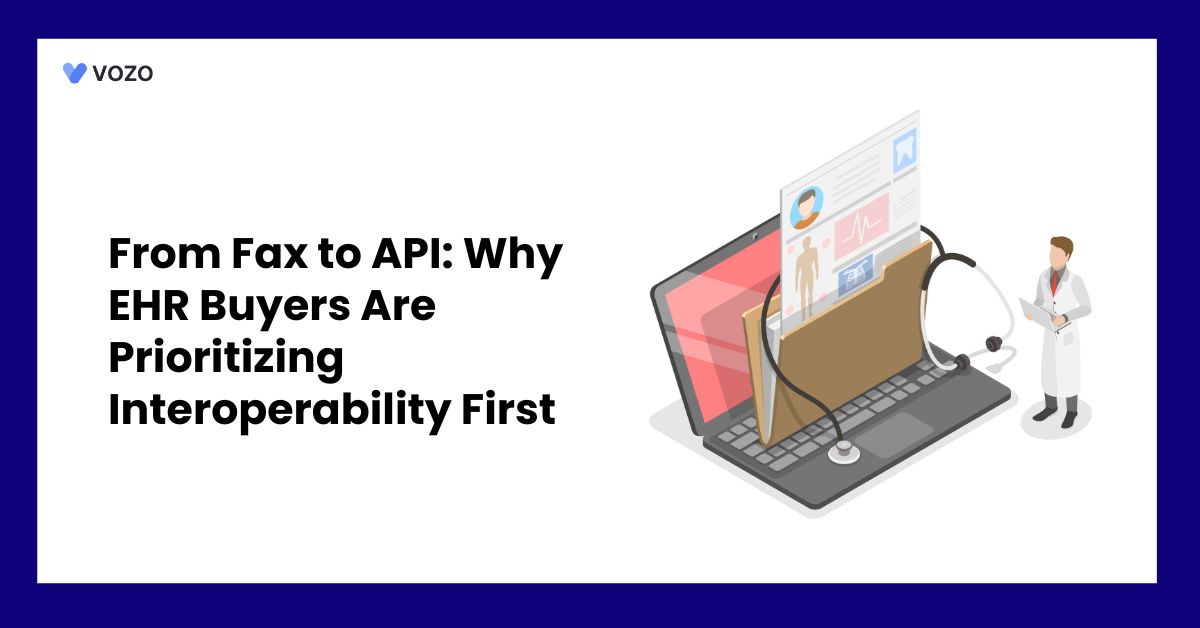
Fax to API Shift

Why EHR buyers now prioritize interoperability first: replacing faxes with APIs for seamless data exchange and better care coordination

Patient Matching Solutions

Data-driven strategies to overcome demographic data issues, ensuring accurate patient matching for effective EHR interoperability success.

CMS Portal Interoperability

CMS patient portal features promoting interoperability standards to enhance patient engagement and seamless data access across systems.

FAQ

What Care Teams Ask About Interoperability

Why does healthcare interoperability matter for everyday patient care?

Without interoperability, providers often depend on faxed records, manual data entry, and incomplete patient histories. Healthcare Interoperability Software helps systems exchange patient information automatically, reducing care delays, duplicate testing, and missing clinical details during appointments, referrals, and follow-up treatment.

How do connected EHR systems reduce healthcare data silos?

EHR Interoperability Solutions connect labs, pharmacies, specialists, billing systems, and other healthcare platforms so patient information can move between systems automatically. This helps providers access more complete records in real time instead of working with disconnected or outdated patient data across separate platforms.

How does FHIR support healthcare data exchange workflows?

FHIR is a modern API standard designed for healthcare data exchange. It allows EHRs, mobile apps, labs, pharmacies, and payer systems to share structured patient information securely and efficiently. Compared to older workflows, FHIR supports faster integration and improves how connected systems exchange clinical data.

How can health data exchange improve patient care transitions?

A Health Data Exchange Platform helps transfer patient records between providers during referrals, hospital discharge, specialty care, or follow-up treatment. Diagnoses, medications, imaging, and clinical notes can move electronically, helping the receiving provider review complete patient information without waiting for manual record transfers.

What is the difference between HL7 and FHIR integration?

HL7 is an older healthcare messaging standard commonly used for lab results, discharge summaries, and order communication. FHIR Integration Software uses modern web-based APIs that support more flexible and real-time data exchange. FHIR is better suited for mobile applications, patient portals, and connected healthcare ecosystems.

How does interoperability connect EHRs with labs and pharmacies?

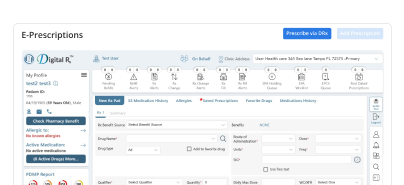
Interoperability tools connect EHR systems directly with labs and pharmacy networks through standardized integrations. Orders, prescriptions, and results can move electronically between systems without manual uploads or repeated data entry. This helps practices reduce administrative work and improve turnaround time for patient care workflows.

Can interoperability tools simplify EHR data migration projects?

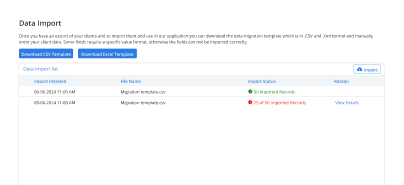
Yes. Interoperability platforms that support HL7, CSV, and XML data formats can help practices move patient records from legacy systems into a new EHR more efficiently. Structured migration templates and validation workflows reduce manual re-entry and help maintain data consistency during the migration process.

How does Vozo handle patient data import errors during migration?

Vozo includes a Record Intake Failures report that identifies incomplete or incorrectly formatted patient records during import. Teams can review flagged fields, correct formatting issues, and reimport records before they enter the clinical database. This helps maintain stronger data integrity throughout migration workflows.

Is Vozo EHR secure for healthcare data exchange workflows?

Yes. Vozo EHR protects exchanged patient data with HIPAA-aligned safeguards, including 256-bit AES encryption, audit logging, and role-based access controls. These protections help practices securely exchange records between systems while maintaining compliance across interoperability and integration workflows.

How can practices start using Vozo interoperability tools?

Practices can start using Vozo interoperability tools with pricing plans starting at $25 per month for EHR access. Vozo supports FHIR integrations, HL7 workflows, lab connectivity, pharmacy integrations, and patient data migration tools. Teams can also schedule a guided demo to review interoperability workflows for their practice needs.

Every Missed Slot Costs More

Stabilize your schedule now before small gaps turn into daily disruptions.

✓ No Credit Card Required


  • 24/7 Support
  • Free data migration from your old EHR


  • Built-in telehealth
  • Automated appointment reminders


  • Increase revenue by 30%
  • Complete patient notes
Launch login modal Launch register modal