
Vozohealth

Documentation That Follows Healing

Trauma and PTSD Therapy EHR Software for Connected Care

Track trauma assessments, EMDR phases, safety plans, treatment goals, scheduling, and billing with trauma-informed EHR software built for trauma-focused practices.

What Trauma Practices Need Beyond
Standard Therapy Notes

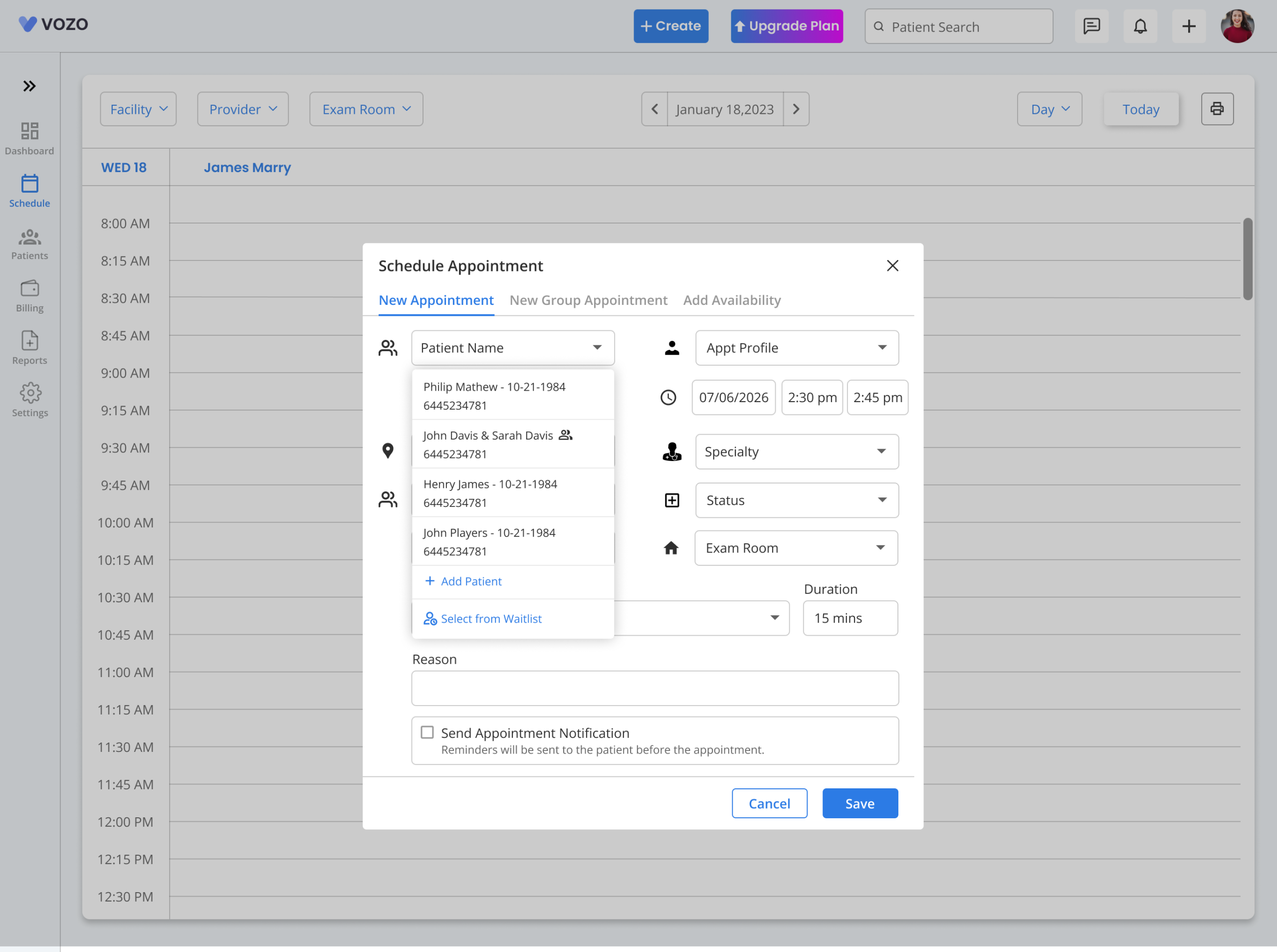
Family therapy clinical documentation
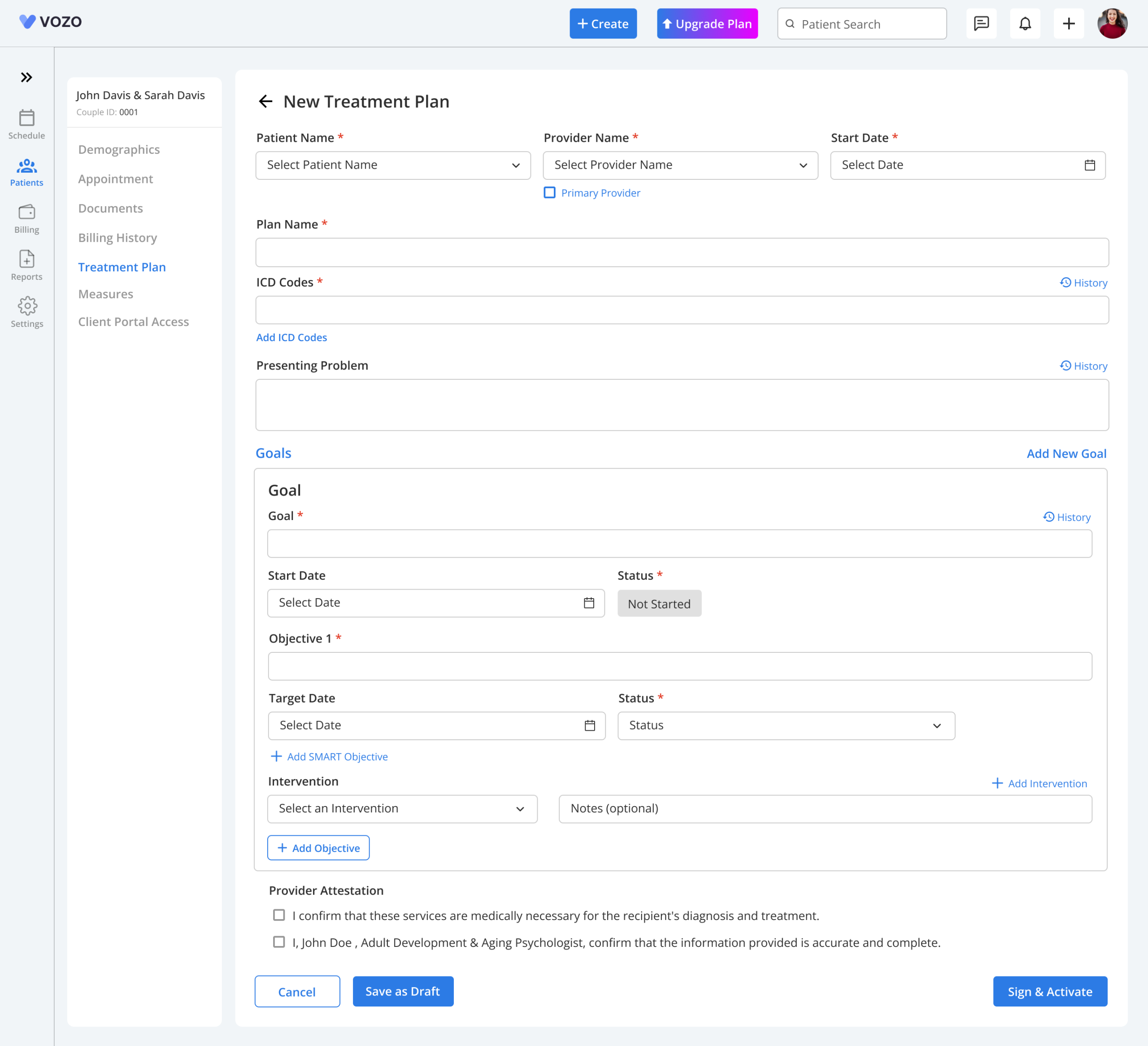
Family therapy treatment planning
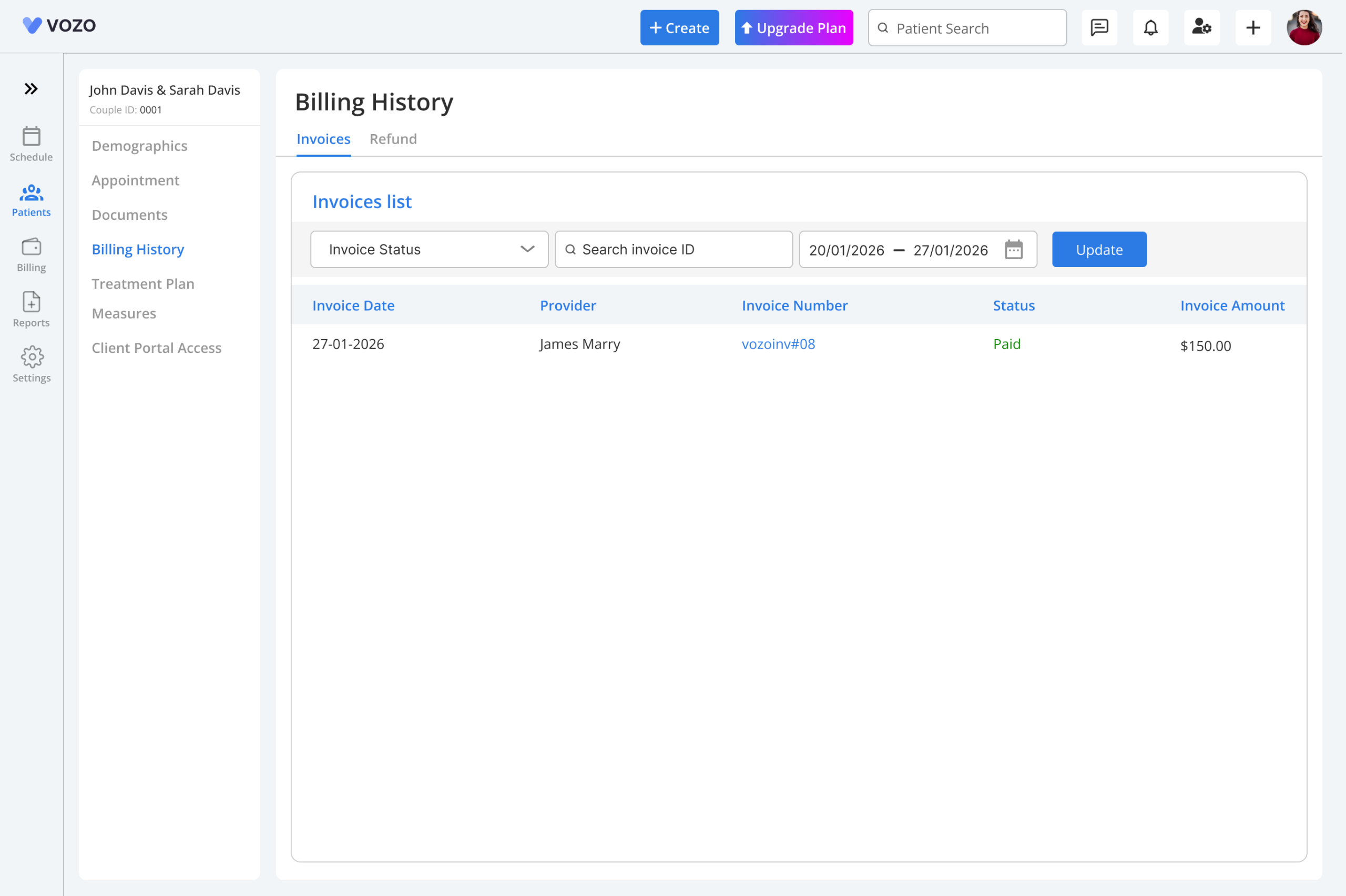
Family therapy scheduling and billing
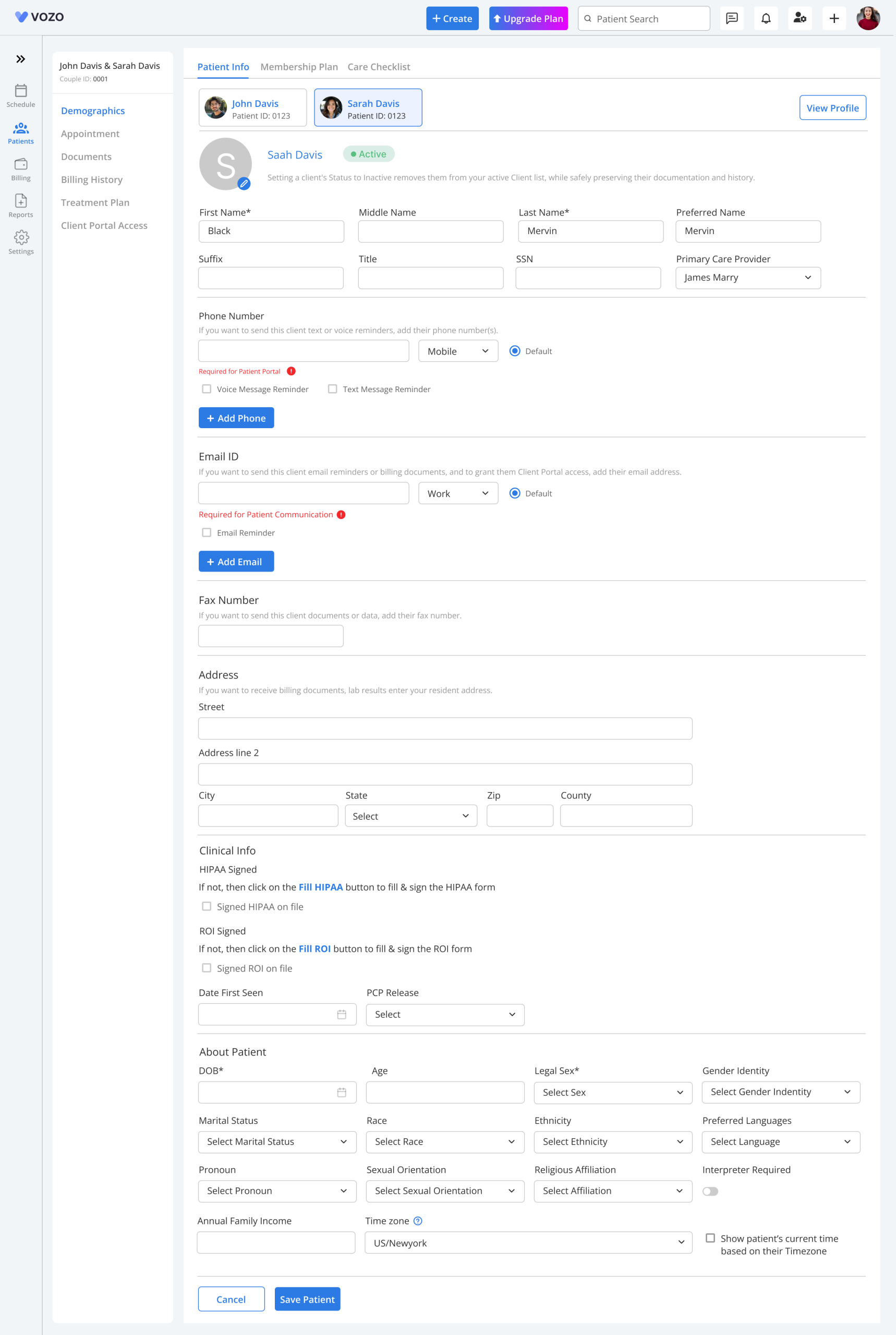
Family therapy telehealth
01 04
Family therapy clinical documentation

EMDR Phase Documentation

Maintain a structured clinical timeline across different phases of EMDR treatment.

  • Document EMDR phases across sessions
  • Record targets, responses, and interventions
  • Connect session details with the treatment plan
Family therapy treatment planning

Trauma Assessment Tracking

Use PTSD EHR software to keep assessment results connected to treatment planning and ongoing progress.

  • Capture standardized assessment results
  • Review changes in scores over time
  • Connect findings with treatment goals
Family therapy scheduling and billing

Safety Planning & Risk Documentation

A behavioral health EHR for PTSD can help clinicians maintain safety plans and risk documentation within the broader care record.

  • Create and update structured safety plans
  • Document identified risks and protective factors
  • Record clinical decisions and follow-up actions
Family therapy telehealth

Trauma-Informed Intake Workflows

Collect relevant information through an organized intake process that minimizes unnecessary repetition.

  • Use customizable trauma-intake templates
  • Gather information before the first appointment
  • Document consent and disclosure preferences
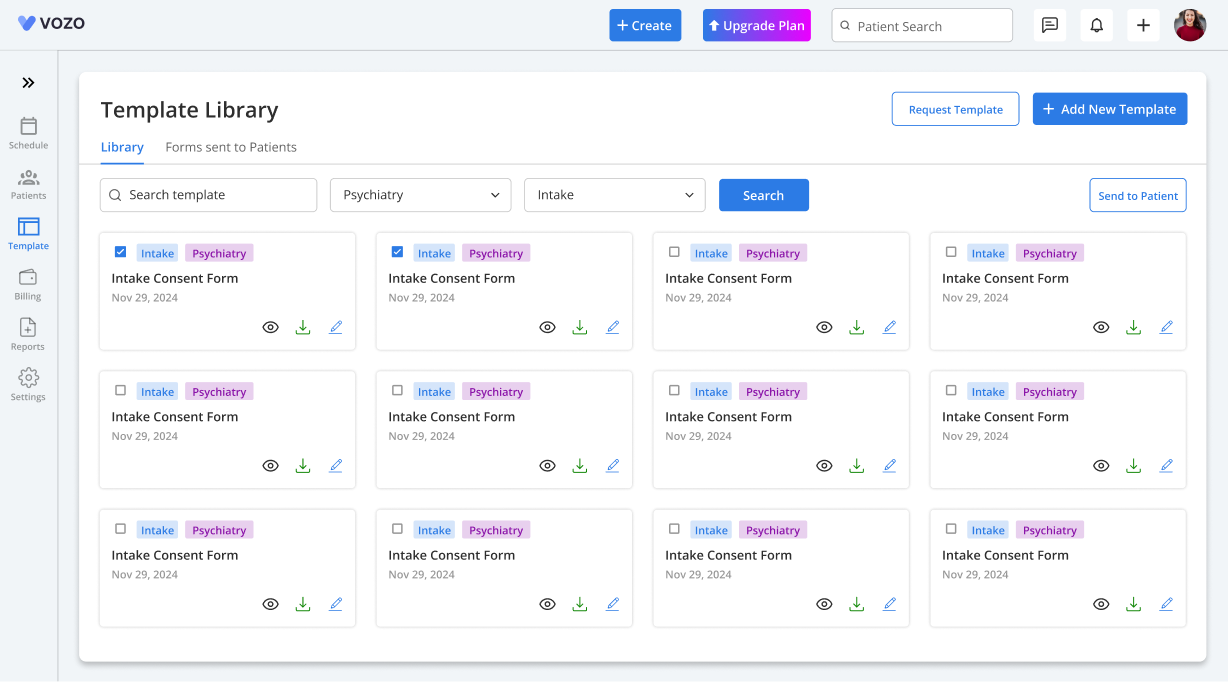
Built Around Trauma-Focused Treatment Workflows

Scheduling for Trauma Treatment Plans

Manage recurring sessions, extended appointments, and ongoing treatment schedules.

  • Schedule longer sessions when appropriate
  • Create recurring therapy appointments
  • Manage in-person and virtual visits
  • Send automated appointment reminders
Telehealth for Trauma-Sensitive Care

Support remote sessions while keeping virtual visits connected to the same clinical and administrative workflow.

  • Secure video appointments
  • Virtual client check-ins
  • Telehealth notes connected to the client record
  • Secure sharing of appropriate resources
Support Clients Between Appointments

Keep clients connected with resources, communication, and ongoing care plans.

  • Secure client messaging
  • Digital intake completion
  • Shared coping resources
  • Safety plan access
Billing for Trauma-Focused Services

Use billing software for trauma therapy practices to manage eligibility, claims, payments, and follow-up alongside clinical documentation.

  • Verify insurance eligibility before appointments
  • Prepare claims from documented services
  • Track claim status and denials
  • Monitor payments and outstanding balances
Notes Built for Trauma-Focused Care

Use clinical documentation software for trauma therapy practices to maintain structured session notes without losing sight of the broader treatment journey.

  • Customizable SOAP and DAP note templates
  • EMDR-related documentation workflows
  • Assessment results connected to clinical notes
  • Safety plans maintained in the client record

Trusted by Practices Nationwide

Providers Supported
0 +
Patient Encounters Managed
0 k+
Support
0 /7
Platform Uptime
0 %

Helping Behavioral Health Practices Deliver High-Quality Care

Behavioral health practices rely on VOZO’s EHR software to improve clinical quality, enhance documentation accuracy, and operate sustainably.

Who We Serve

Trauma Therapists

EMDR Clinicians

PTSD Treatment Practices

Behavioral Health Groups

How it works

3-Step Onboarding

From Sign-Up to Your First Trauma Session

Get trauma templates, assessments, safety workflows, and documentation ready from day one.

1

Bring Your Records Over

Import client records, treatment plans, assessments, and existing documentation into Vozo.

2

Set Up Your Trauma Workflow

Configure EMDR documentation, assessment tracking, safety plans, and scheduling workflows.

3

Start Supporting Clients

Begin documenting sessions, tracking progress, and managing trauma care from one EHR.

Testimonials

Success Stories From Our Users

What Trauma and PTSD Providers Say About Vozo

“I used to search through old notes before every trauma session just to remember where we left off. Now the treatment history, assessments, and safety plans are together when I need them.”

— Trauma Therapist

“My EMDR notes used to live in different places, which made follow-up sessions harder than they needed to be. Now I can see the full treatment journey in one record.”

— EMDR Clinician

Blogs & Resources

Resources to Help Your Practice Grow

Behavioral Health Treatment Progress Tracking

Learn how behavioral health EHRs connect assessments, treatment goals, interventions, progress notes, outcome measures, and follow-up plans to track changes throughout therapy.

Trauma-Informed Behavioral Health Documentation

Explore how behavioral health software supports trauma-focused documentation, risk assessments, safety planning, standardized assessments, and treatment workflows.

FAQ

What Behavioral Health Providers Ask Us Most

What should trauma-informed clinical documentation include?

Trauma-focused notes should document relevant symptoms, functional effects, treatment goals, interventions, client responses, risk considerations, and next steps. Trauma-informed EHR software can help clinicians maintain clinically useful records without repeatedly documenting unnecessary or graphic details of a client’s traumatic experiences.

Can a PTSD screening score confirm a diagnosis?

No. Measures such as the PCL-5 can support screening and symptom monitoring, but results require clinical interpretation. The VA identifies a structured clinical interview, such as the CAPS-5, as the diagnostic standard. PTSD EHR software can help clinicians compare scores without treating them as the sole basis for diagnosis.

What information should be included in a trauma-care safety plan?

A safety plan may include warning signs, coping strategies, supportive contacts, professional resources, crisis options, and steps for reducing immediate risks. Documentation should identify when the plan was created or reviewed, who participated, and what follow-up is needed according to the clinician’s judgment and practice policies.

How should EMDR sessions be documented across treatment phases?

EMDR documentation may identify the treatment phase, selected target, relevant assessment information, interventions, client responses, closure activities, and the plan for the next session. An EMR for trauma therapy should preserve continuity without requiring unnecessary descriptions of sensitive memories in every progress note.

How can trauma therapists measure progress beyond symptom scores?

Progress may include changes in sleep, avoidance, emotional regulation, relationships, daily functioning, distress tolerance, safety, and participation in meaningful activities. Clinicians should select measures that fit the client’s goals and use assessment results alongside clinical observations and the client’s description of change.

How should dissociation and grounding interventions be documented?

Notes can identify clinically relevant signs of dissociation, the context in which they occurred, grounding or stabilization interventions used, the client’s response, and any changes to the treatment plan. Documentation should remain objective and avoid conclusions that are not supported by the session or assessment.

Can trauma-focused therapy be provided through telehealth?

Telehealth may be appropriate when it fits the client’s needs, clinical risk, privacy, location, and applicable professional requirements. A behavioral health EHR for PTSD can connect virtual appointments with consent, emergency information, session documentation, follow-up tasks, and the broader treatment record.

Can Vozo EHR support trauma assessments and customized therapy notes?

Yes. Vozo EHR provides customizable clinical templates, treatment plans, and outcome-measure workflows that practices can adapt for trauma-focused care. Trauma and PTSD therapy EHR software can help clinicians keep assessments, progress notes, safety documentation, goals, and follow-up information within one connected record.

What should private trauma practices consider when selecting an EHR?

The best EHR software for private trauma therapy practices should support flexible notes, privacy controls, assessment tracking, safety plans, scheduling, telehealth, billing, and secure client communication. When evaluating an EHR for trauma therapists, practices should also consider usability, implementation support, pricing, and compatibility with existing workflows.

How can a trauma practice balance EHR cost and functionality?

Practices comparing affordable EHR options for trauma therapists should review the total cost of documentation, scheduling, telehealth, billing, support, and optional add-ons. Vozo EHR offers plans starting as low as $25 per month, with trauma clinic practice management software capabilities that can expand as operational needs grow.

Keep the Care Journey Connected

Bring assessments, EMDR documentation, safety plans, scheduling, client communication, and billing together with all-in-one EHR and practice management software for running a trauma therapy practice.

✓ Easy setup
✓ 14-day free trial
Launch login modal Launch register modal